
American Heart Association
Video
Food EDU’s course Foodomics & Society explores how food composition data can be used for human and planetary health and asks a harder question too: who benefits from these advances, and how can new tools and data be used equitably?
For this case study documentary, the brief was to bring those questions to life in Australia, where Indigenous Peoples have protected biodiversity, foods and medicines for thousands of years, yet histories of extraction and exploitation continue to shape how knowledge is collected, used and commercialised.
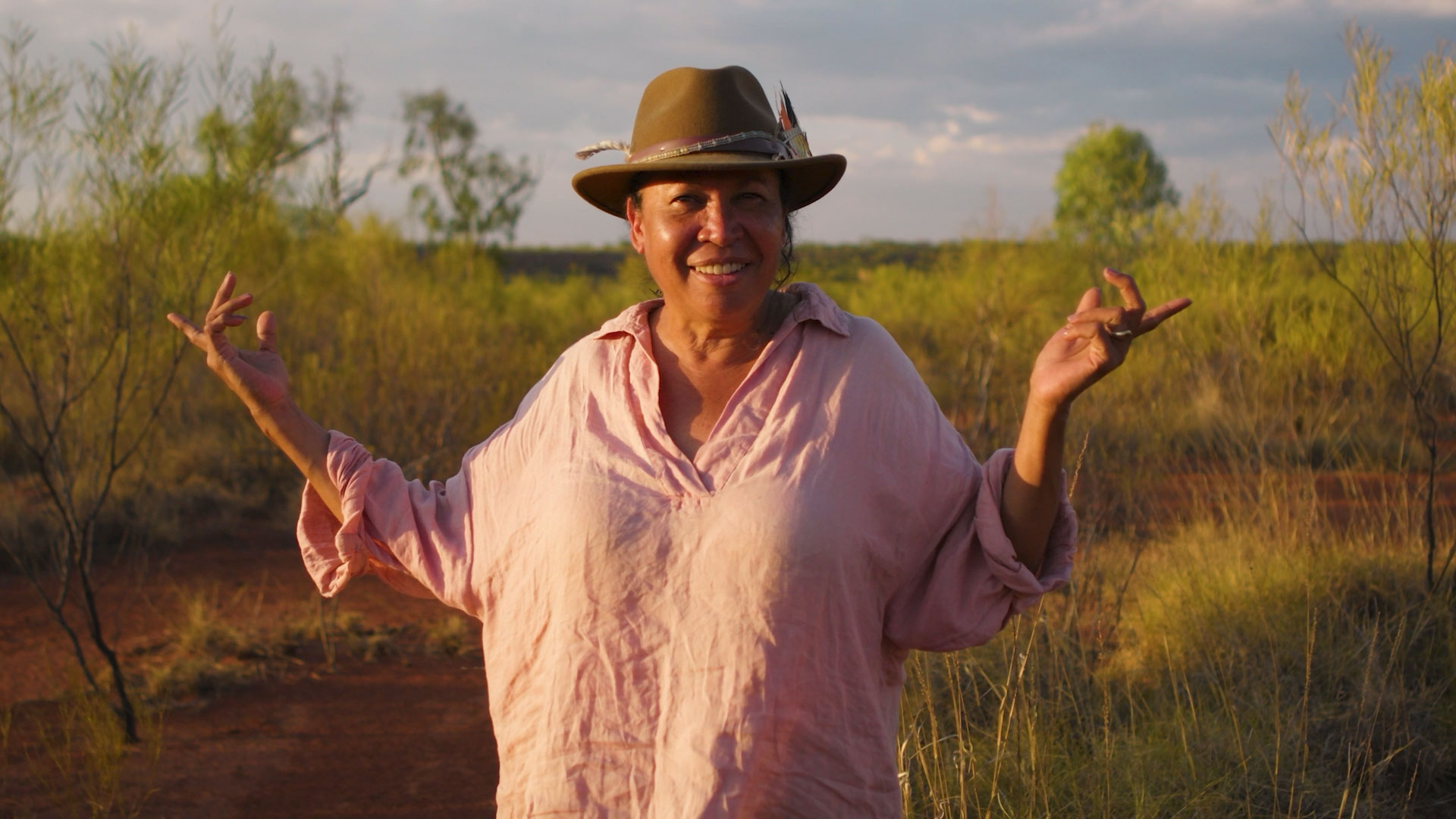
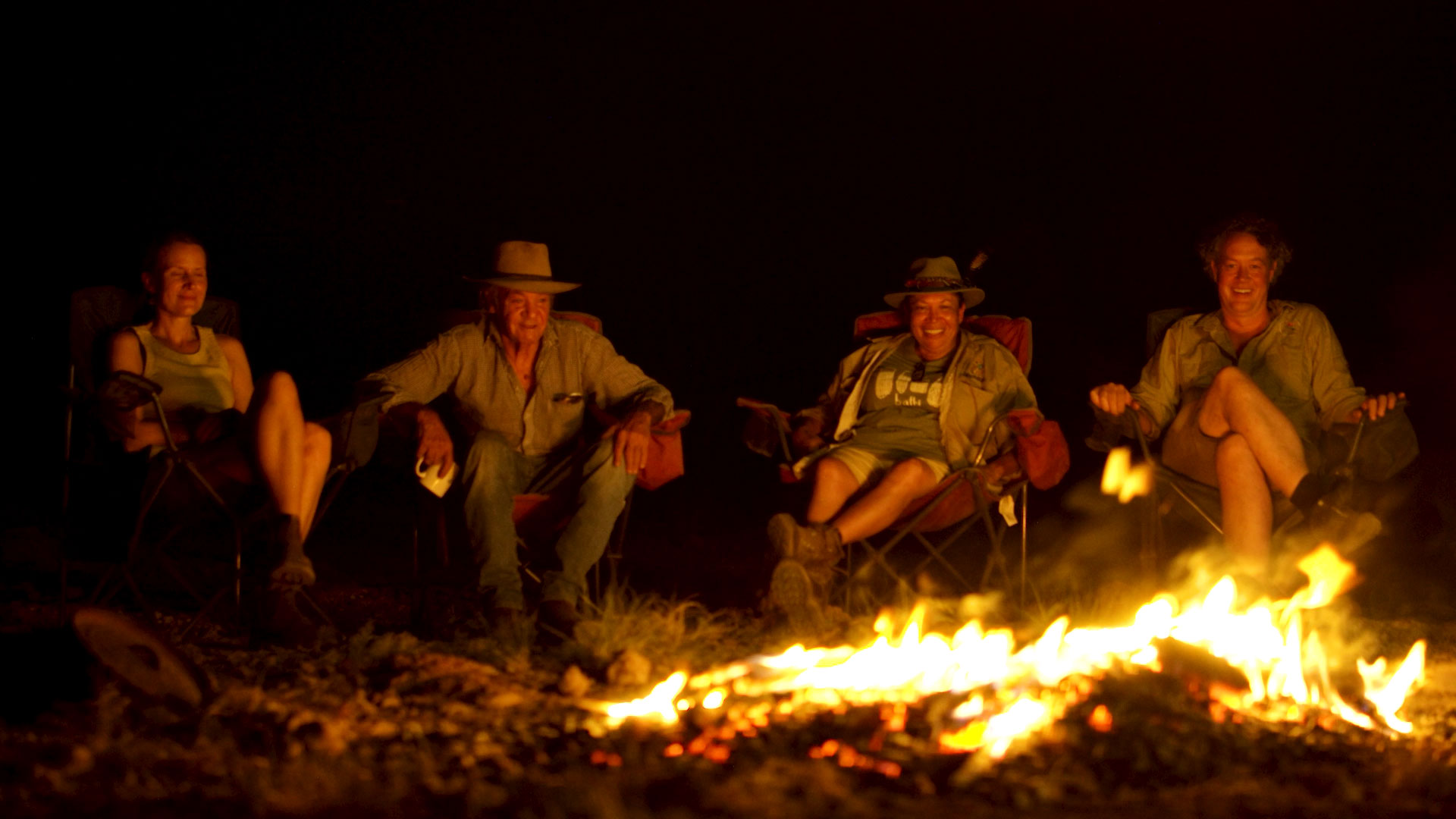
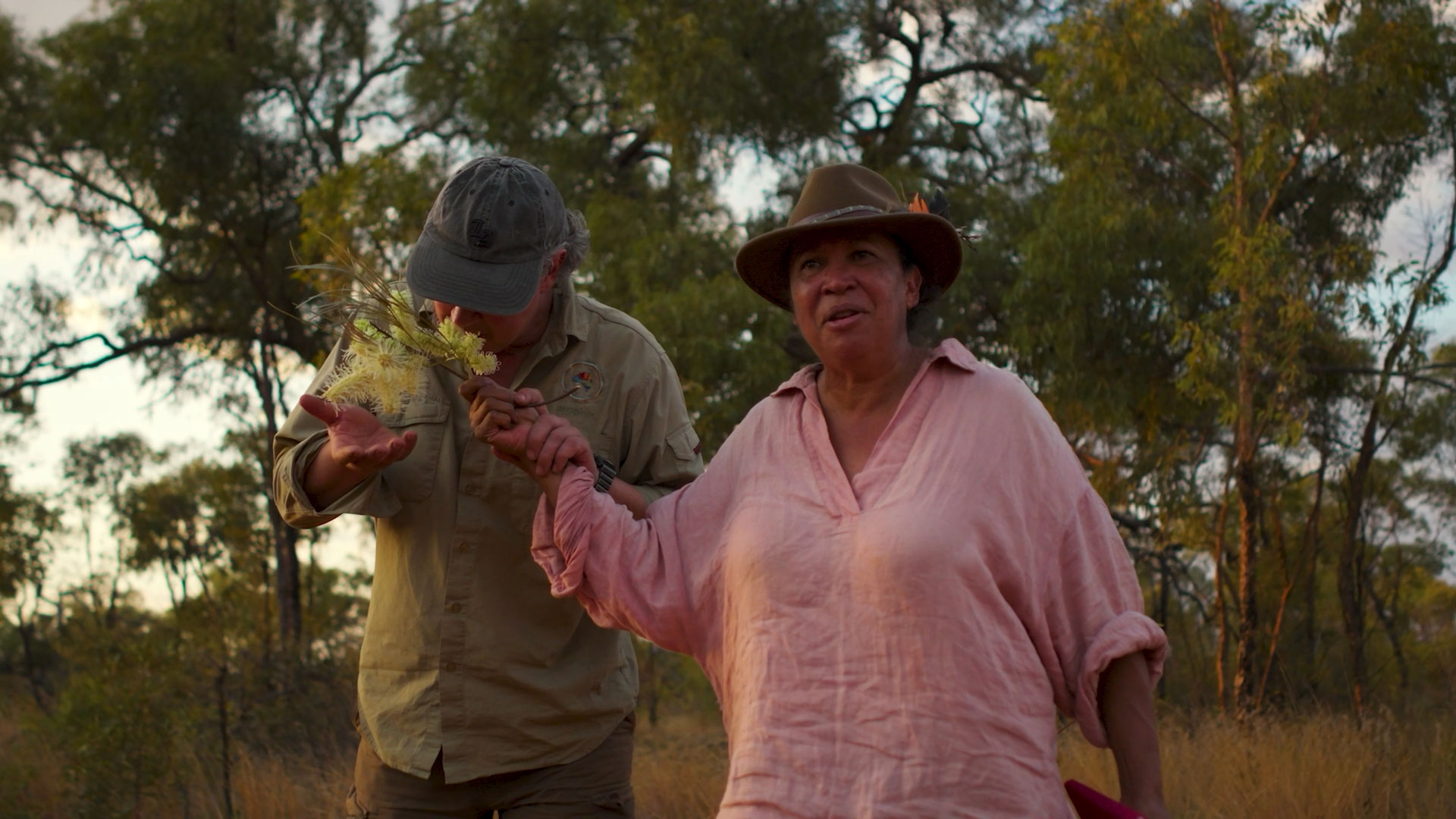
Filmed in Central Western Queensland, the story follows Suzanne Thompson, Uncle Vincent and Professor Andrew Lowe as they explore the cultural and ecological importance of native foods and what it takes to research them in ways that recognise Indigenous authority, protect intellectual property, and create shared benefit.
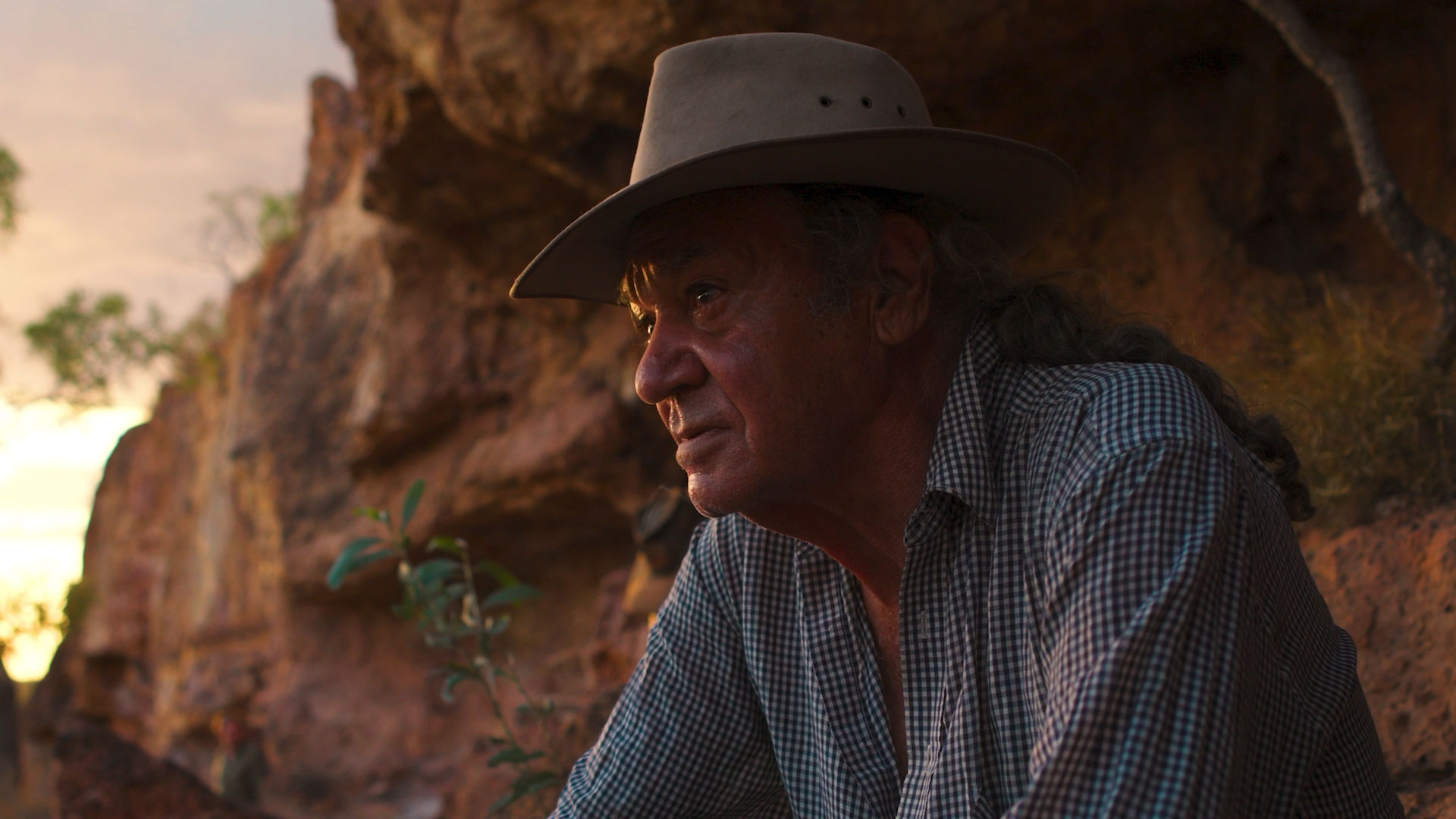
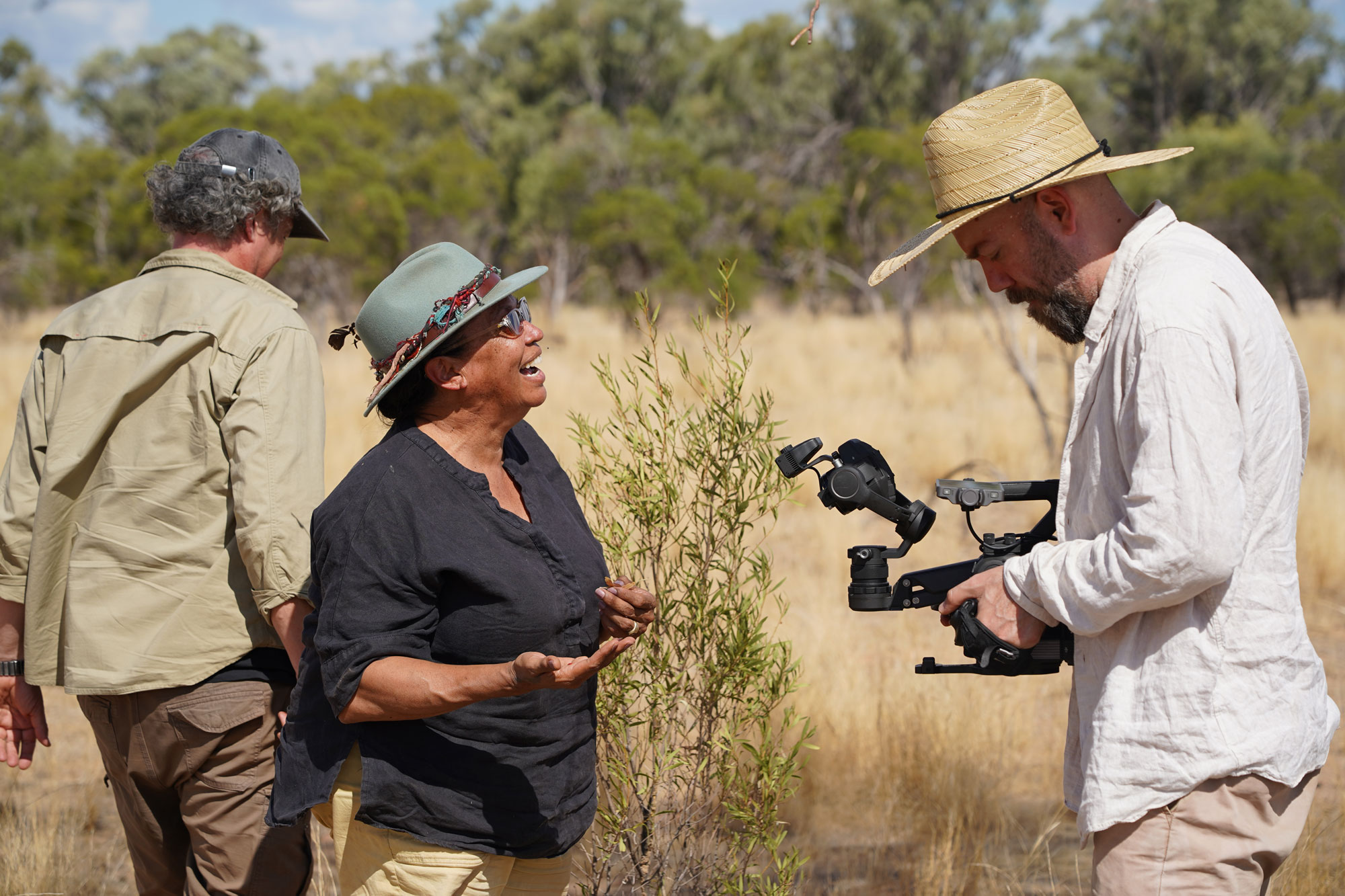
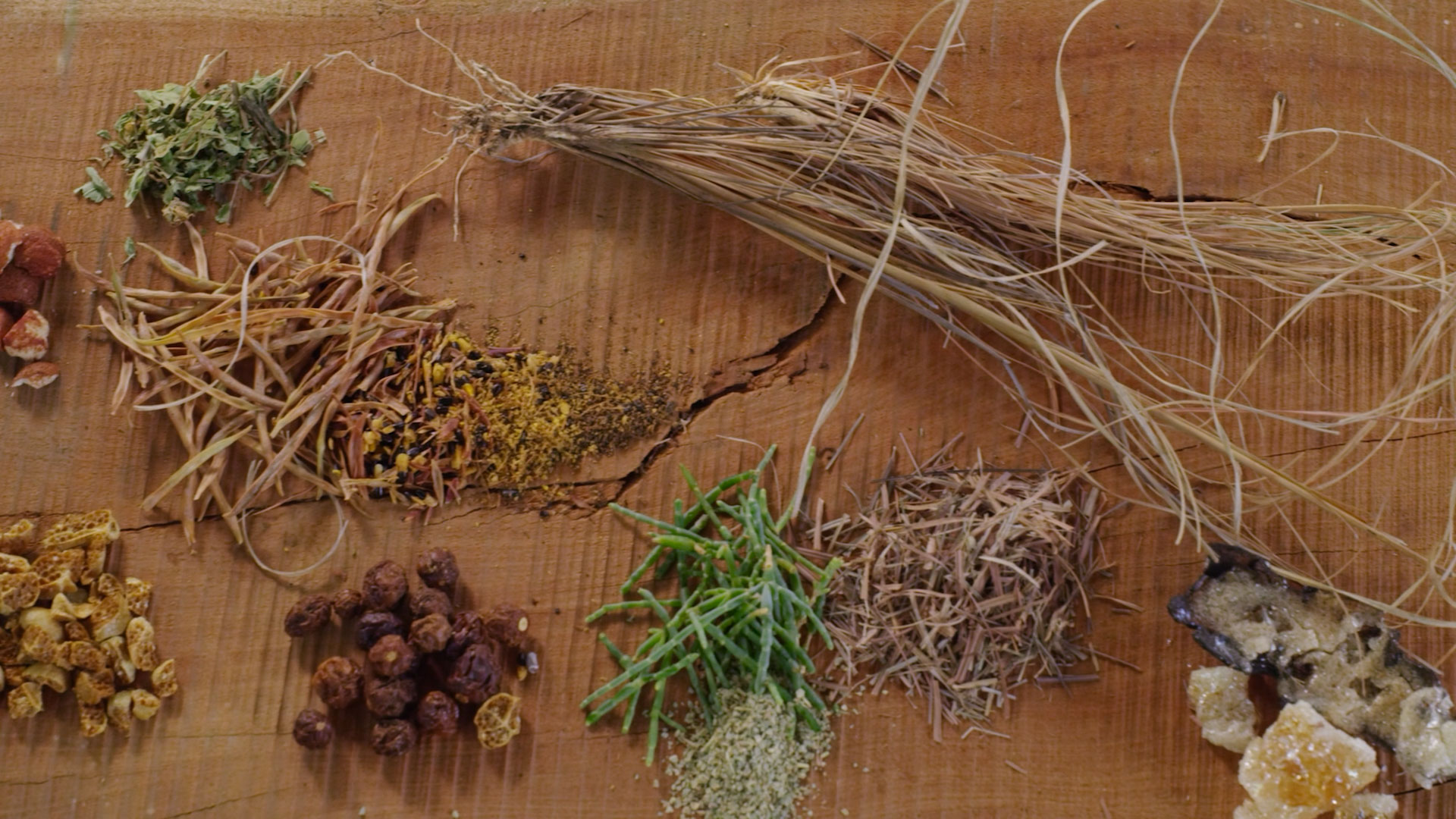
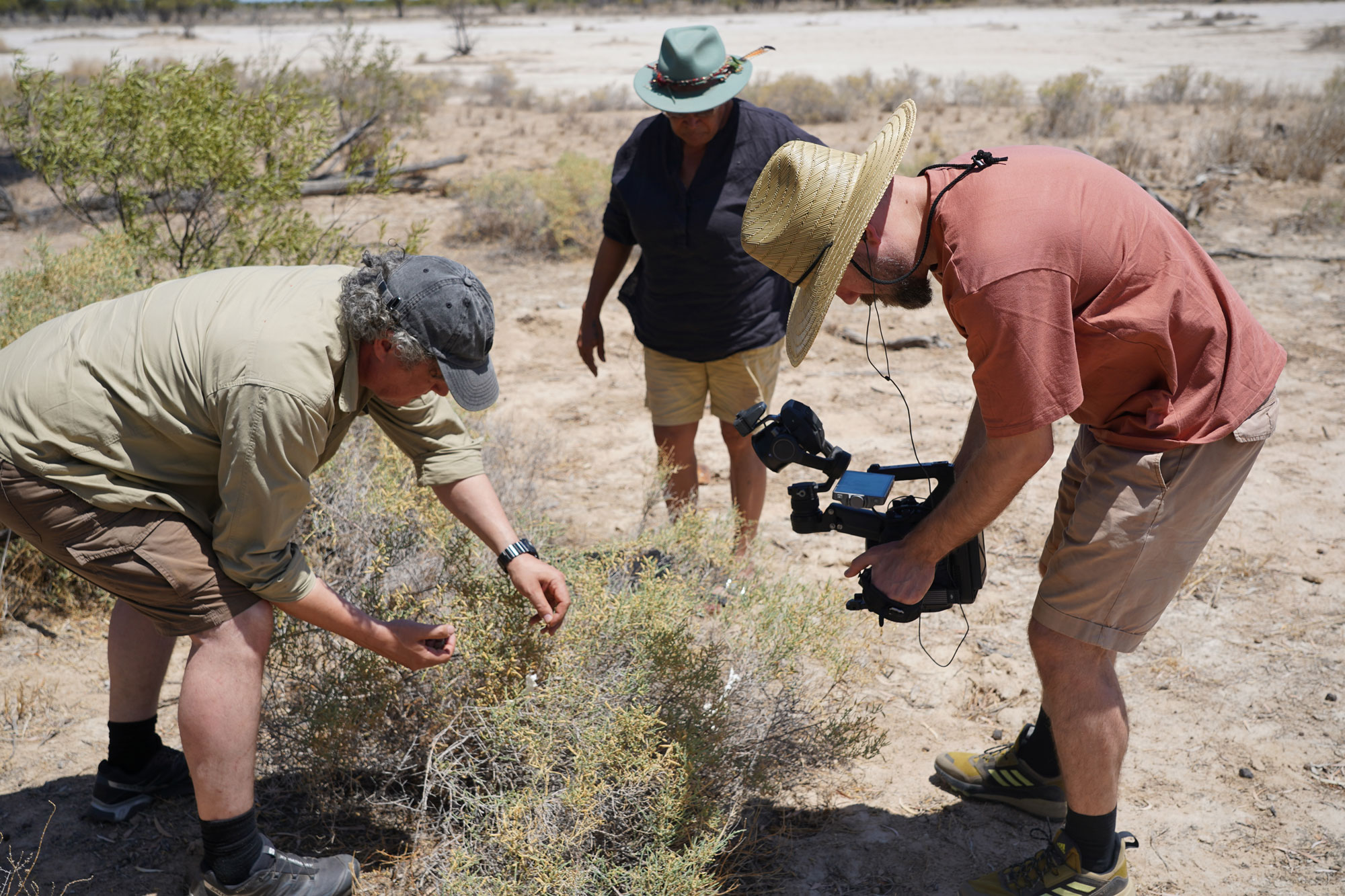
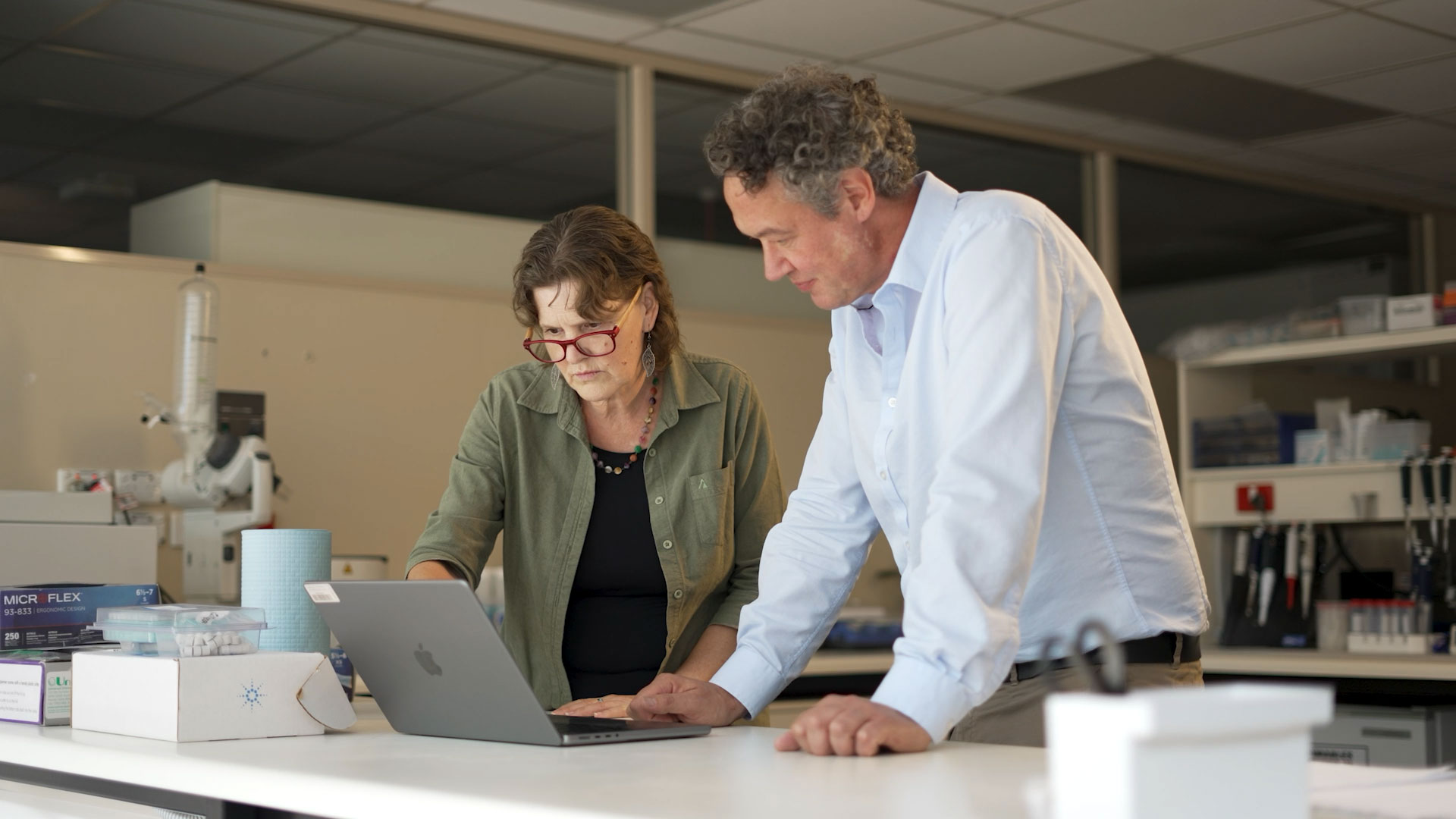
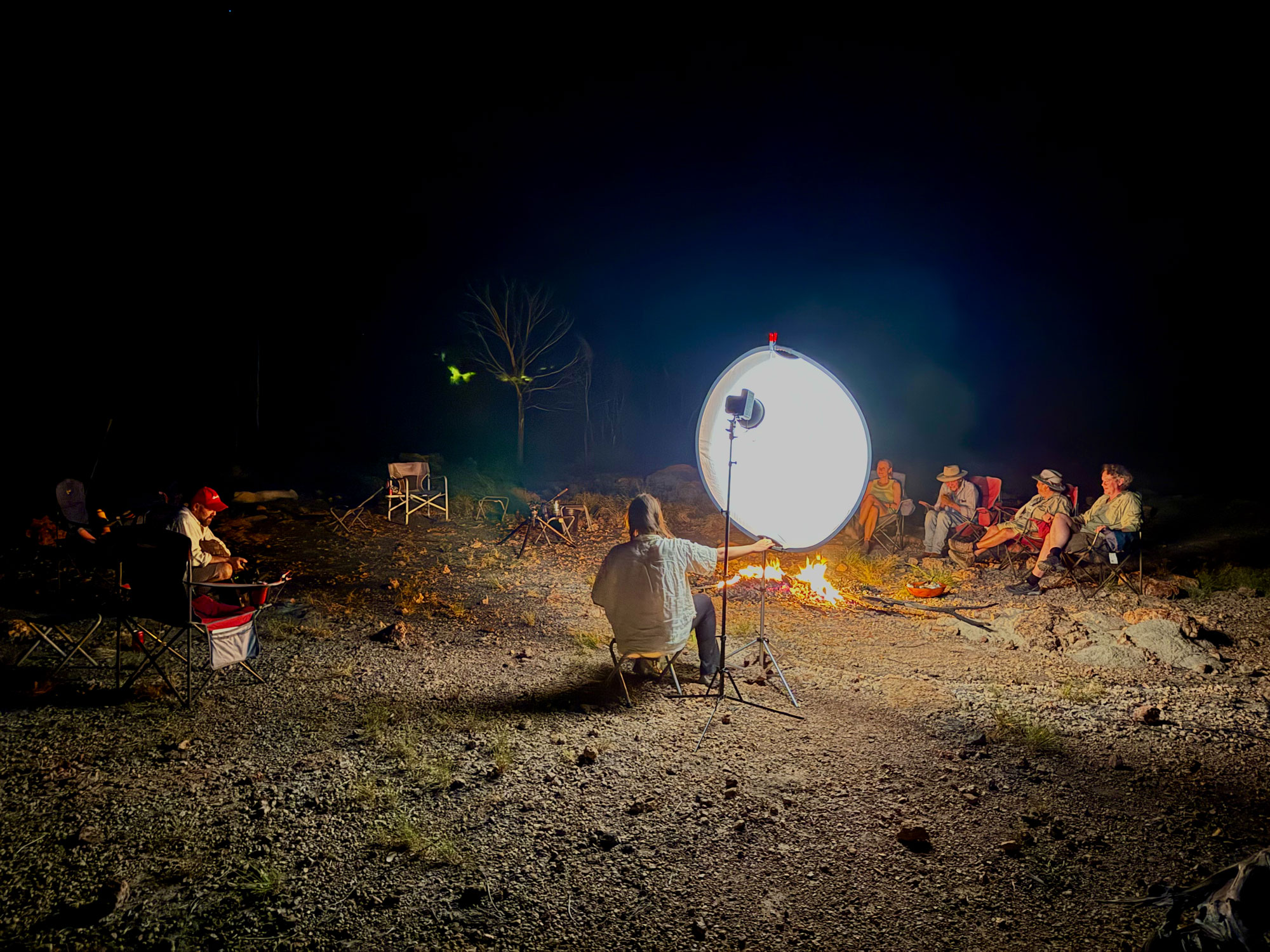
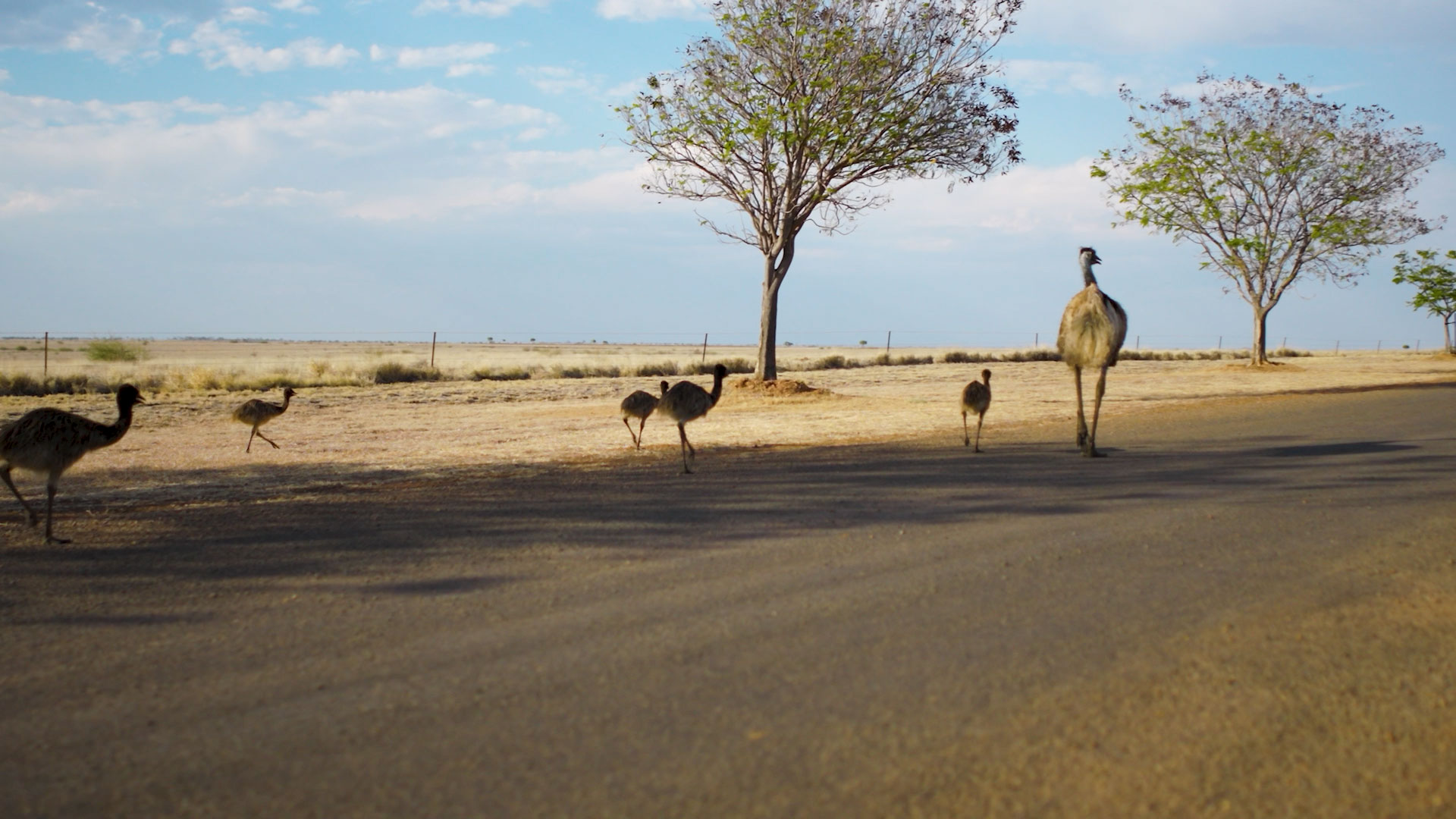
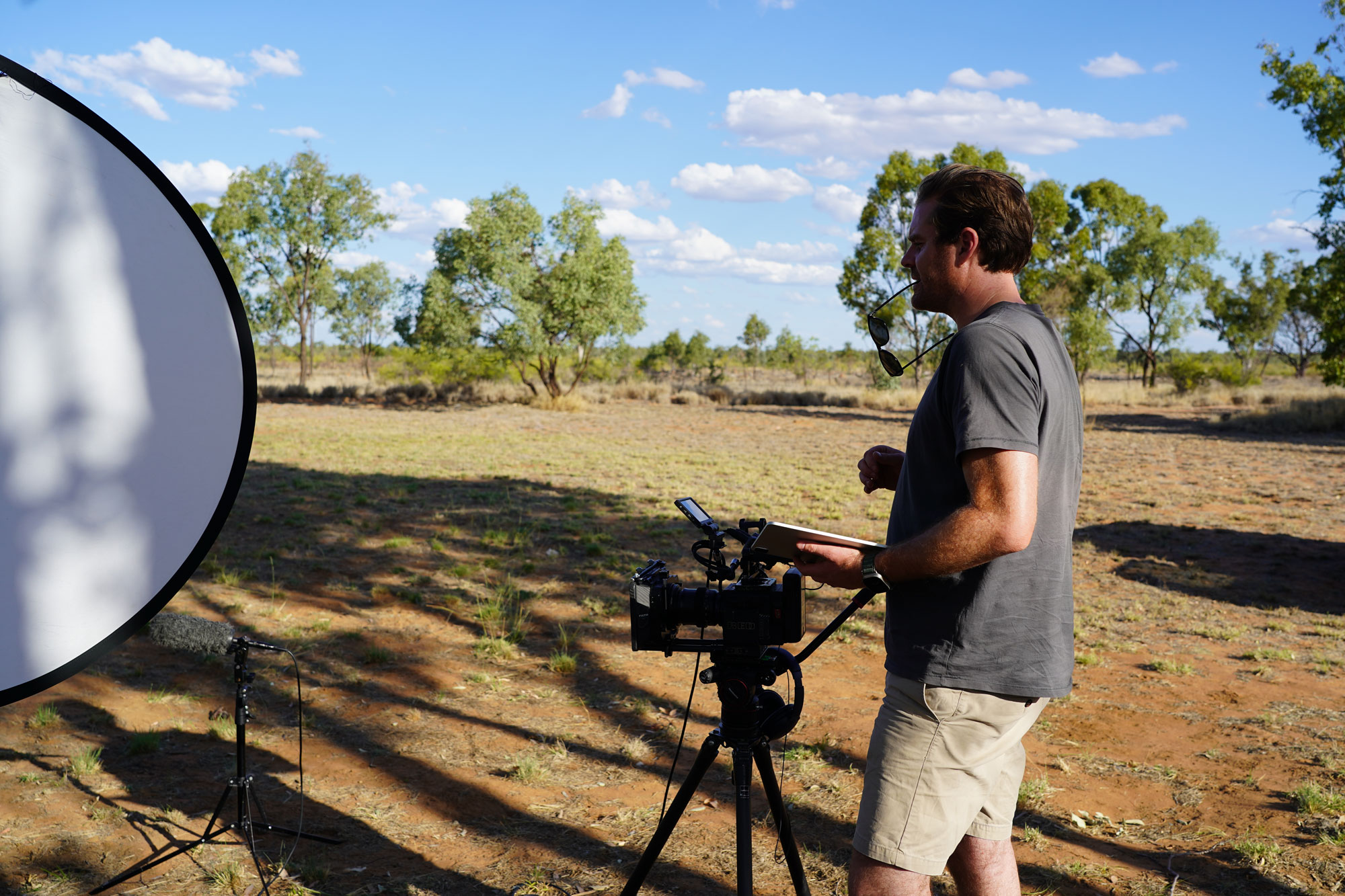
We developed a documentary approach that foregrounded people, place and practice, not just technical methods. We worked from a clear narrative arc, opening with the history and cultural importance of native foods, then moving into what foodomics makes possible and the safeguards required to ensure research is collaborative rather than extractive.
Our production process combined:
-
Hero led interviews designed to draw out cultural knowledge, historical context and the realities of collaboration, supported by structured question sets across protagonists
-
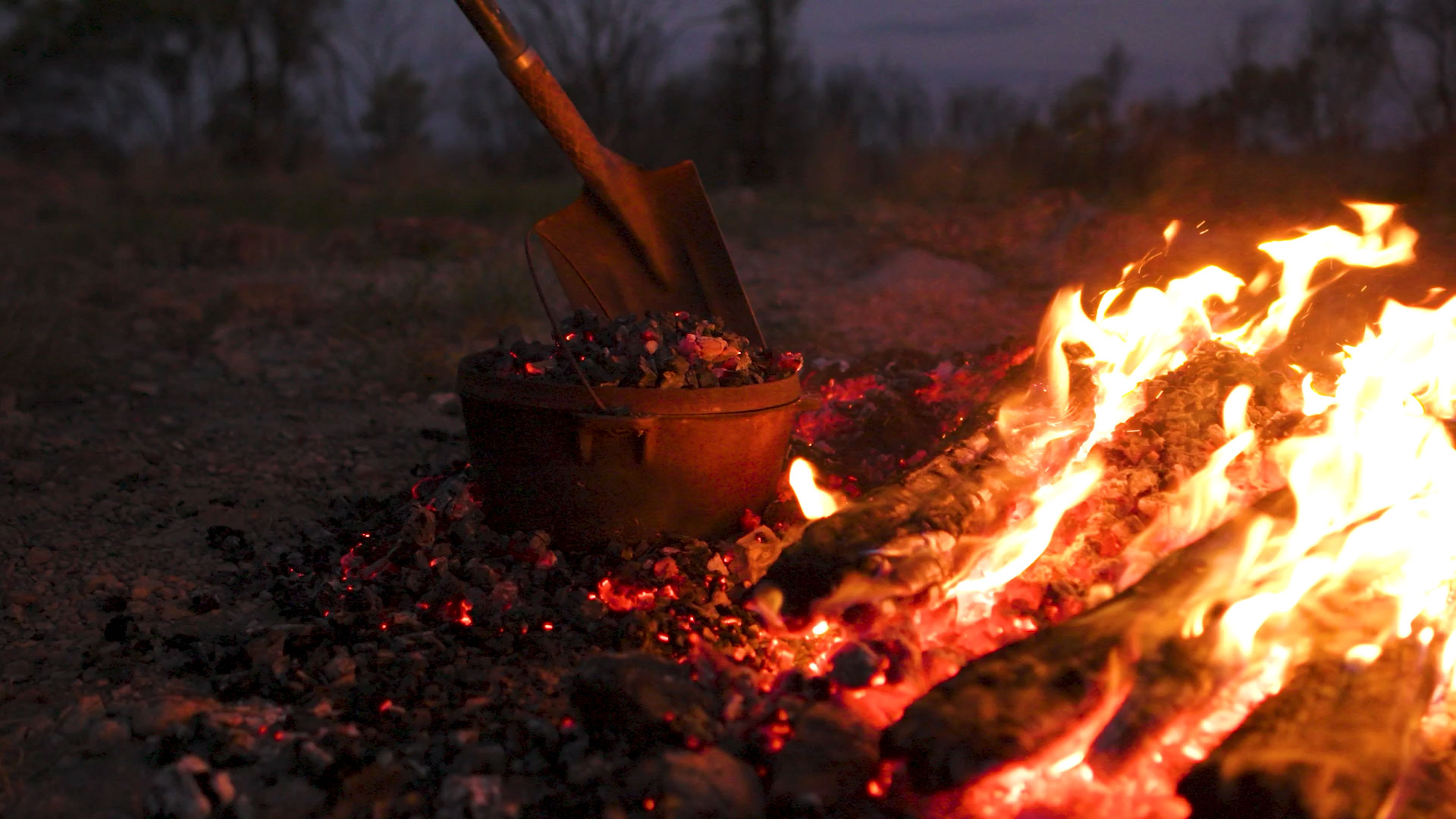
On location visual storytelling to capture the holistic process of food, including preparation, tools, teaching practices and shared meals, alongside the landscapes and colour of the region
-
A clear on screen framing of equity and governance, including the role of access and benefit sharing and Traditional Knowledge frameworks, and the need for stronger data that includes geographic, cultural and societal context, not only composition
The result is a short, accessible film designed for learning environments, with enough depth to respect the topic and enough clarity to support teaching.
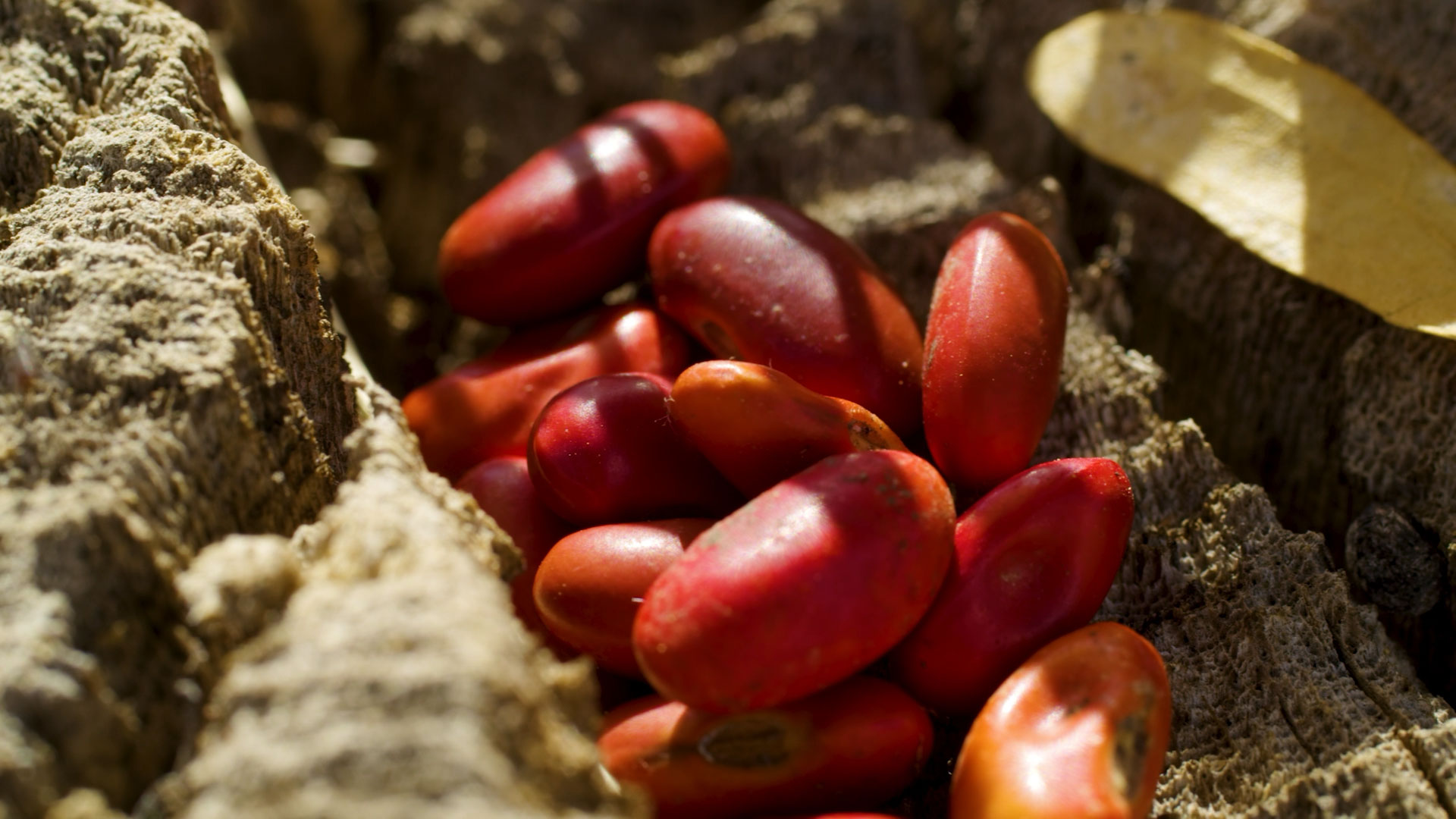
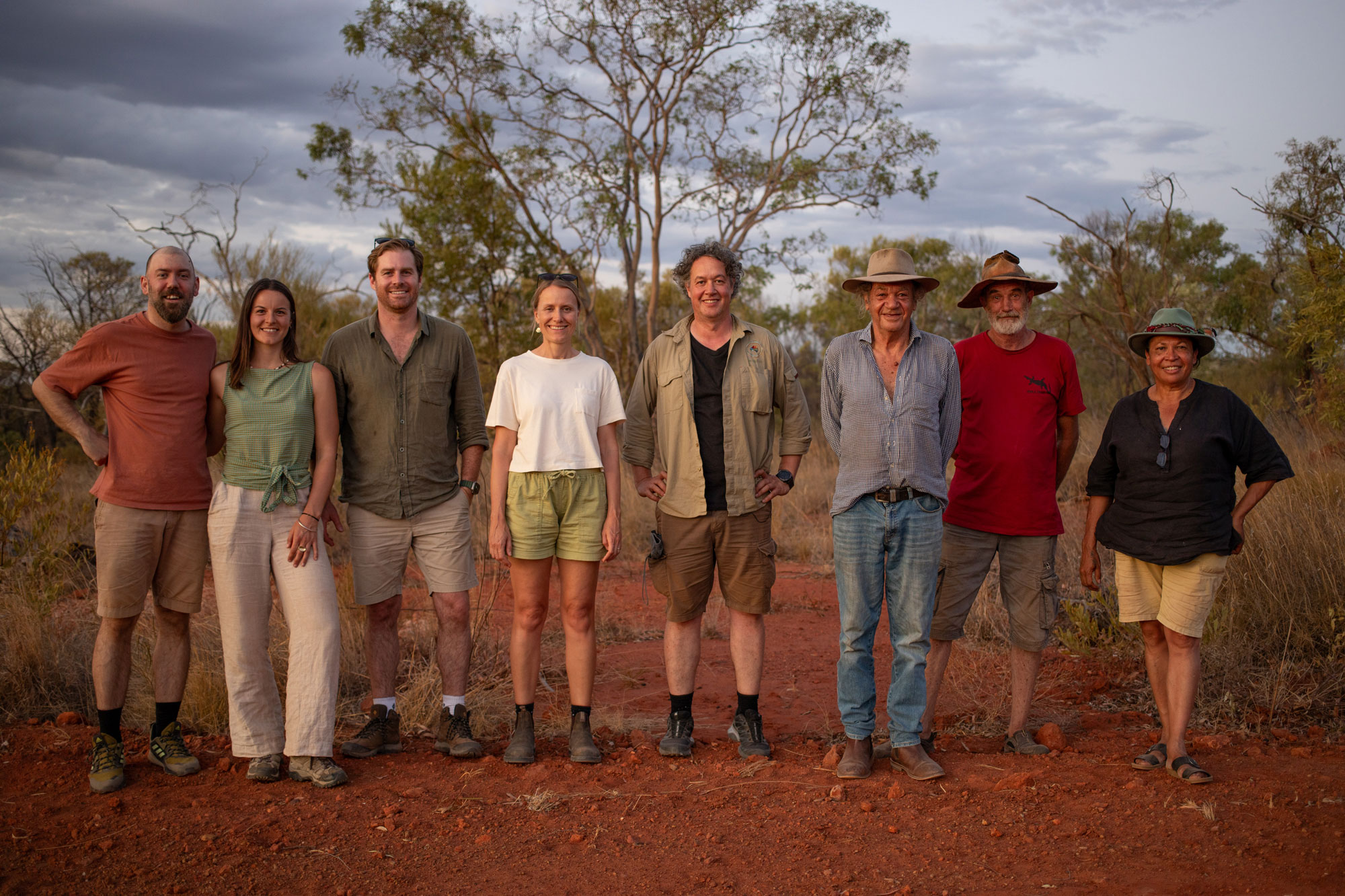
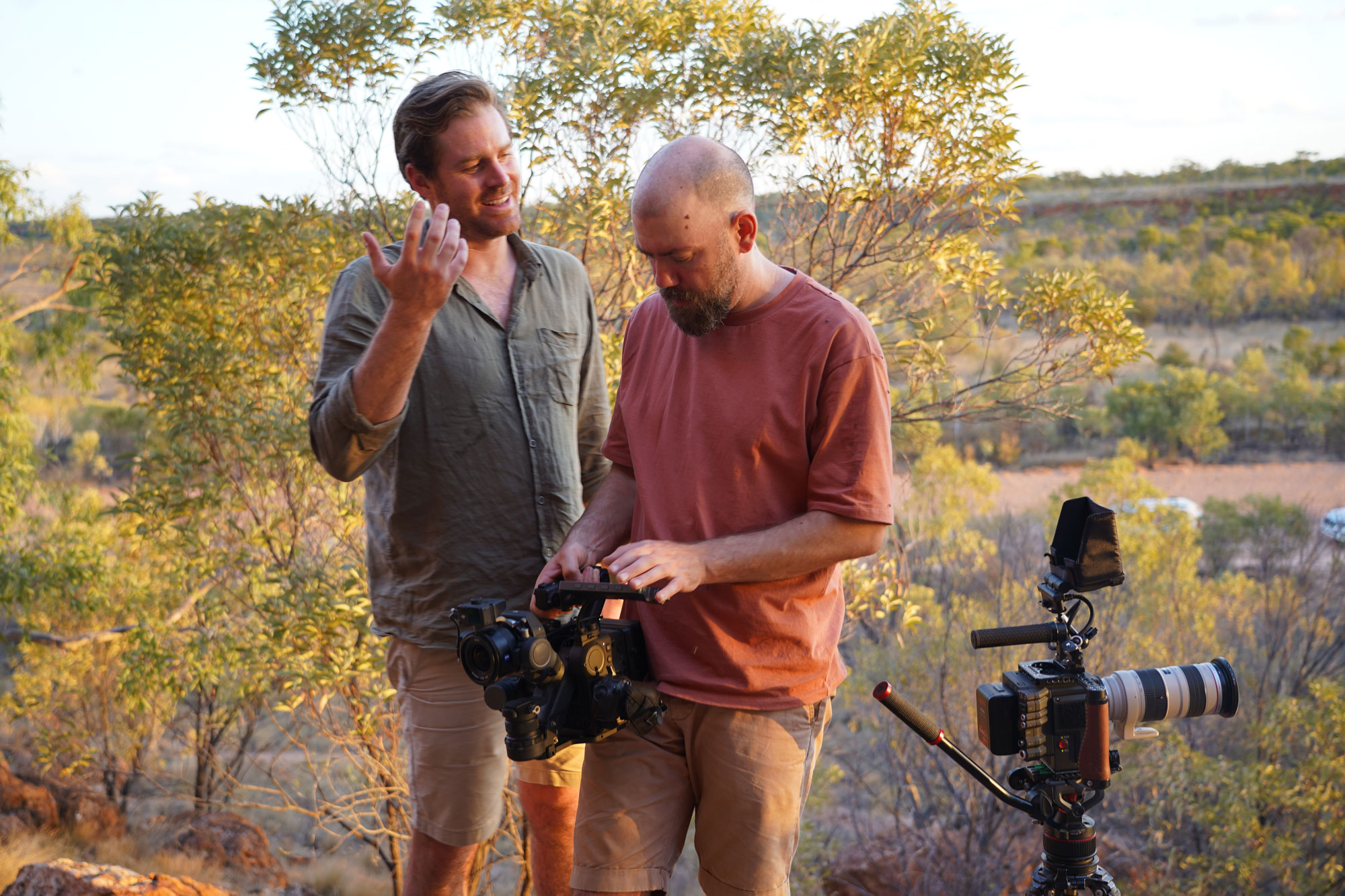
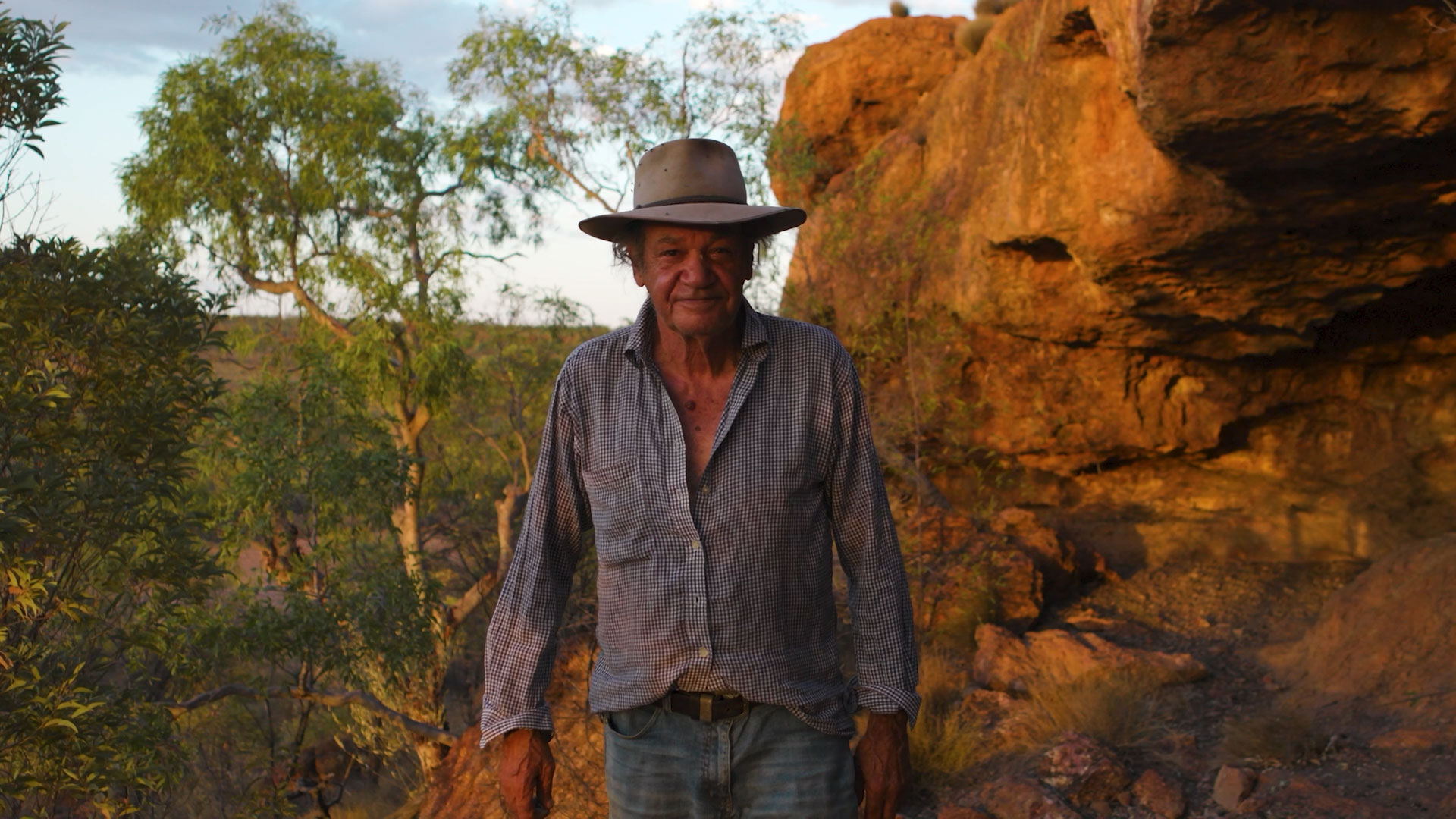
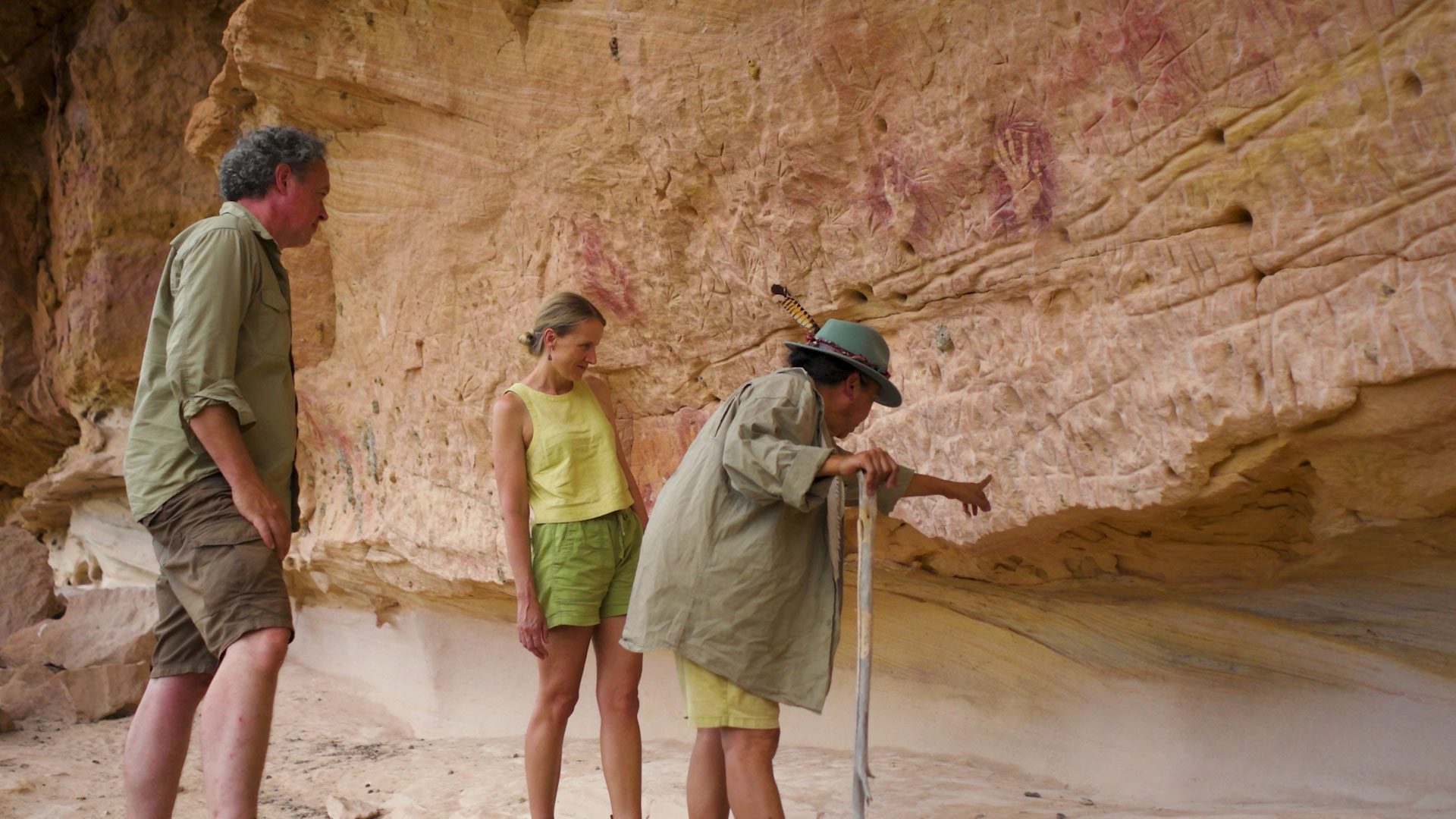
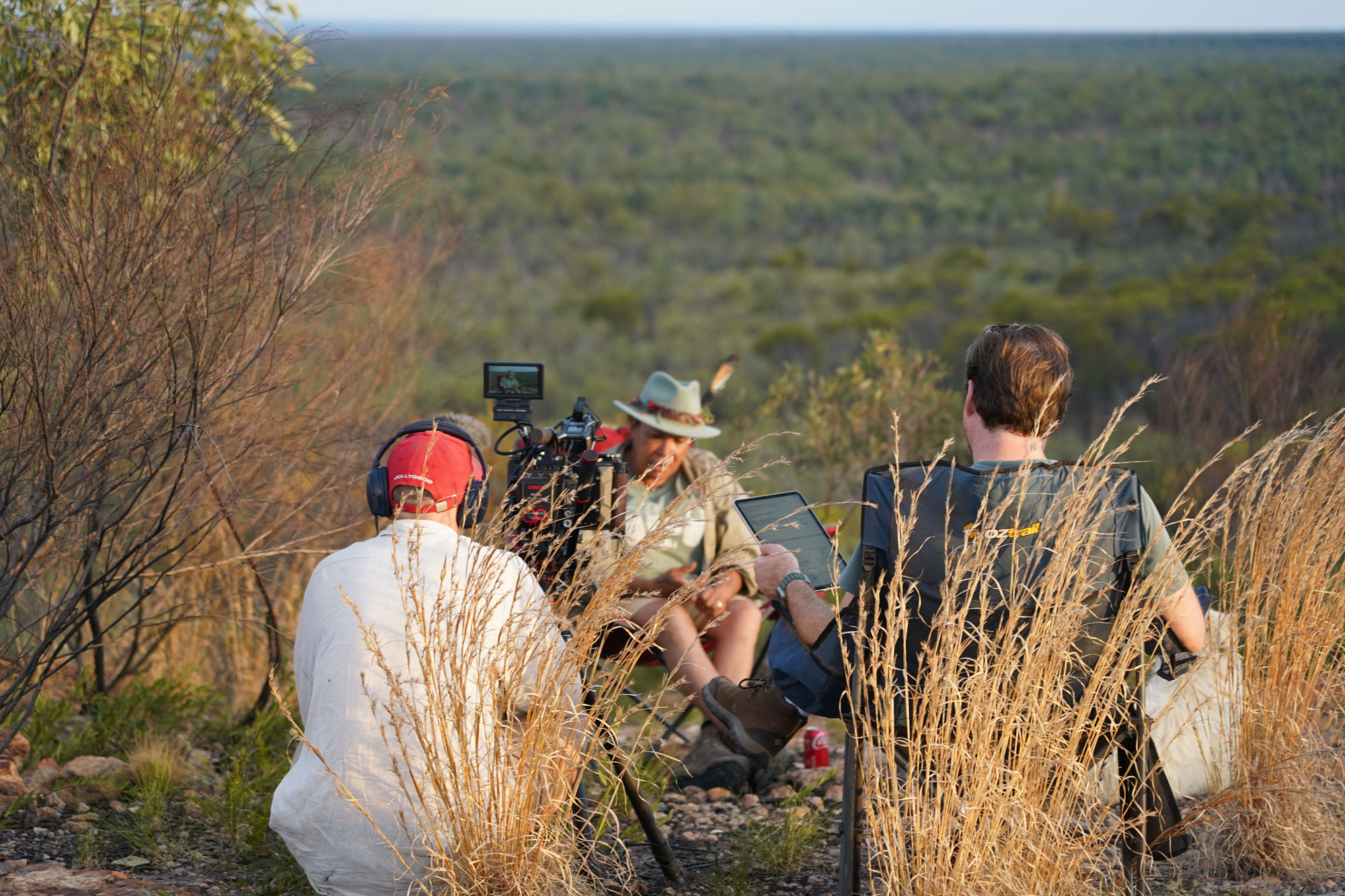
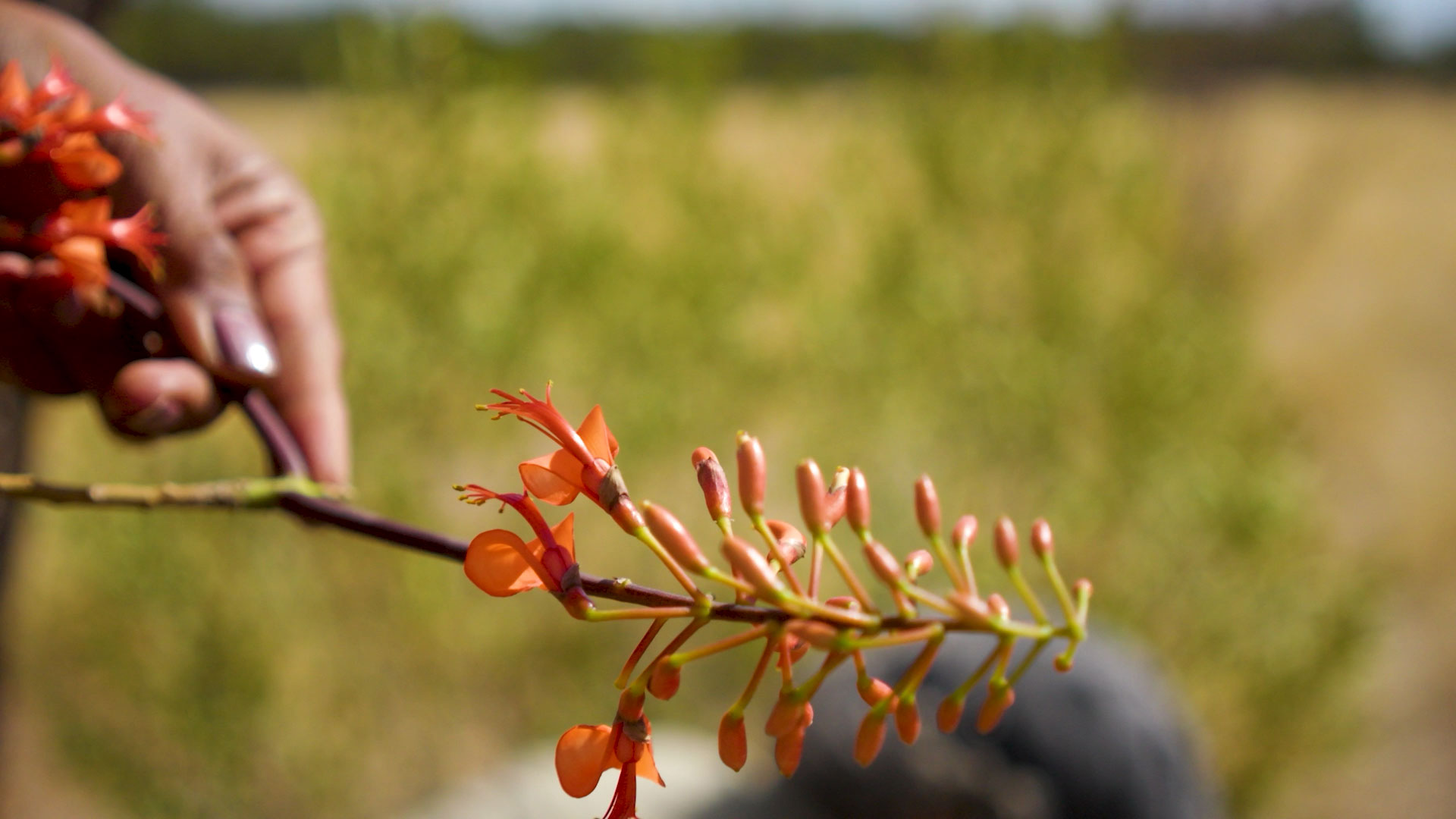
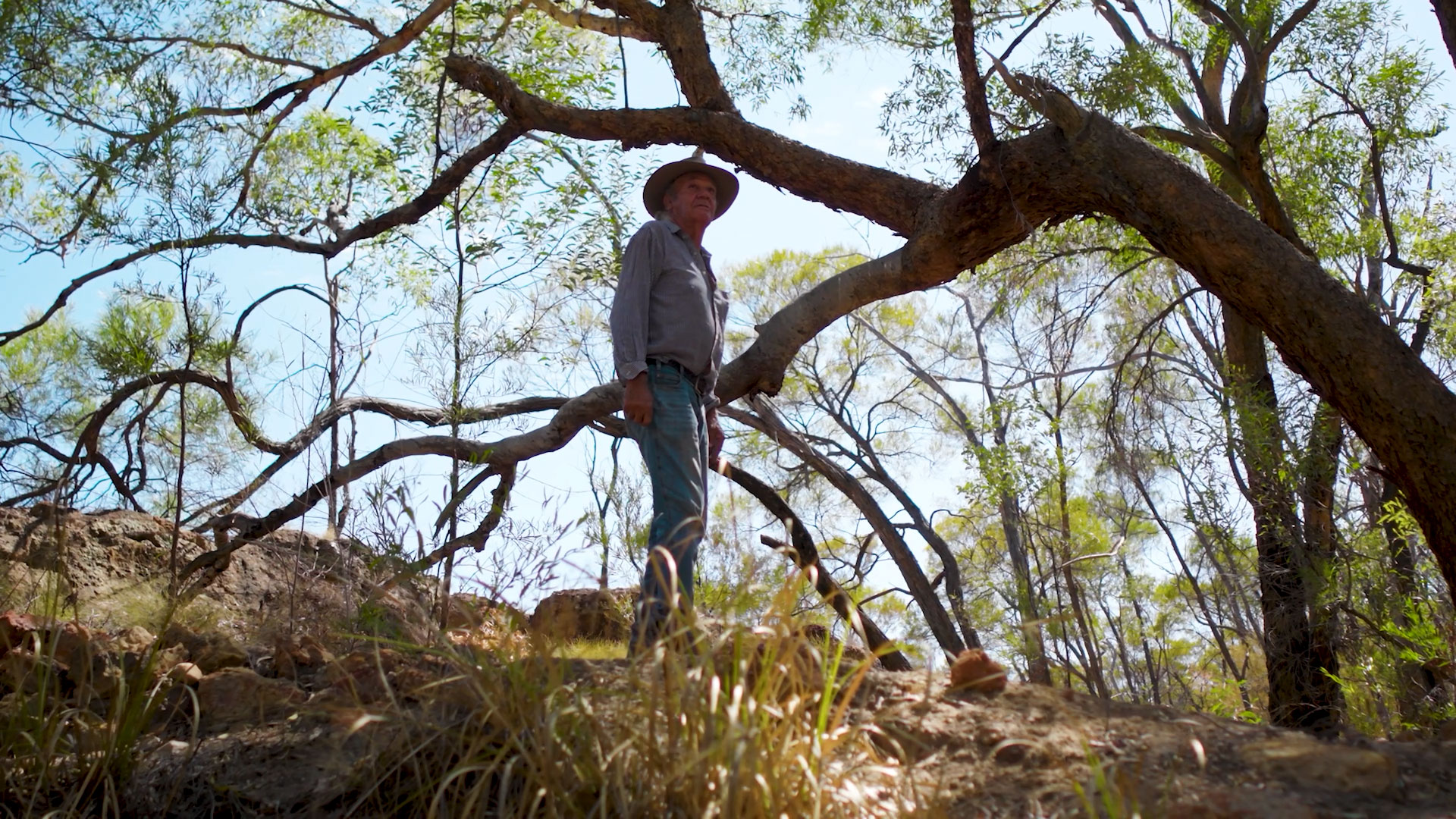
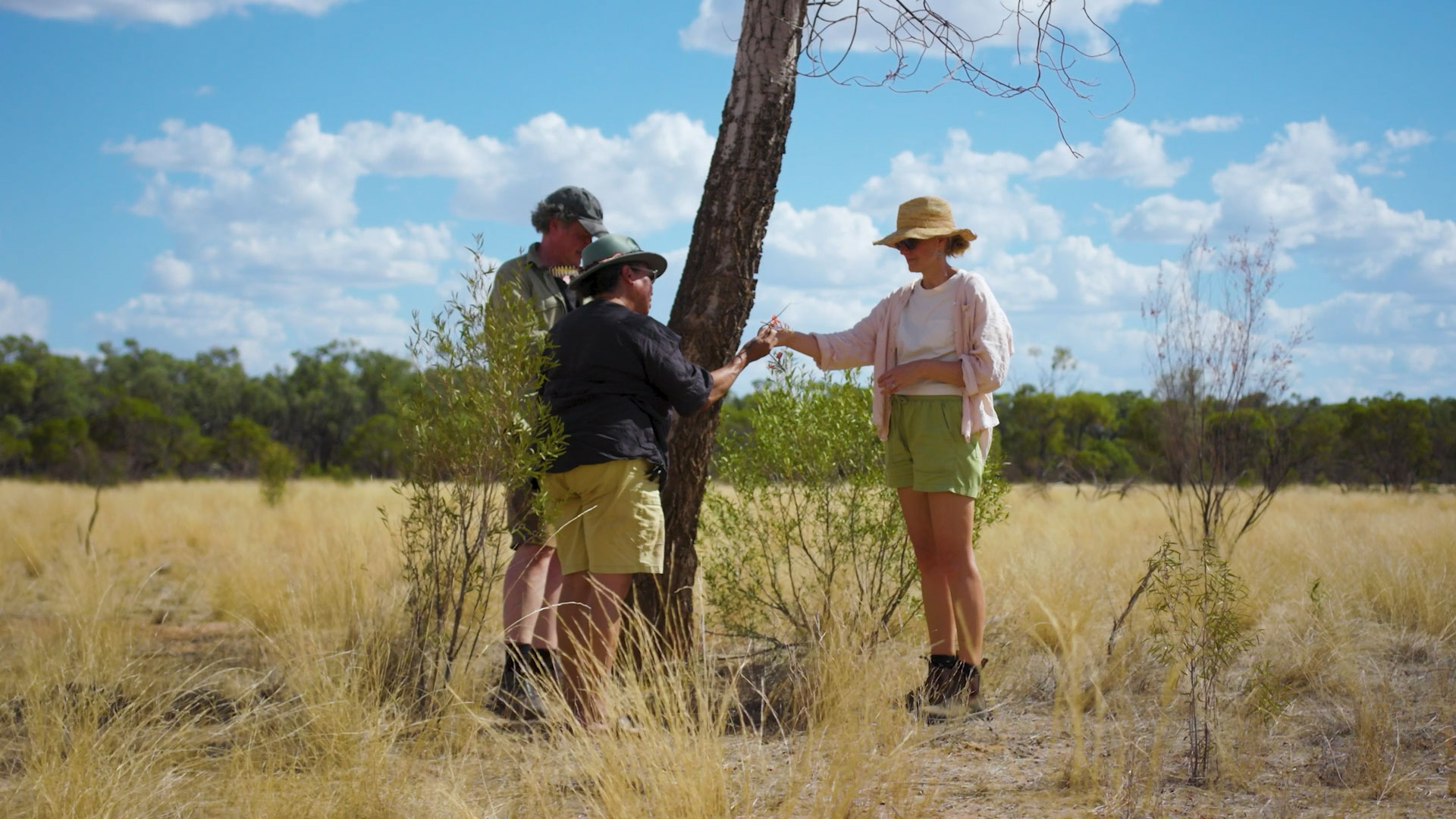
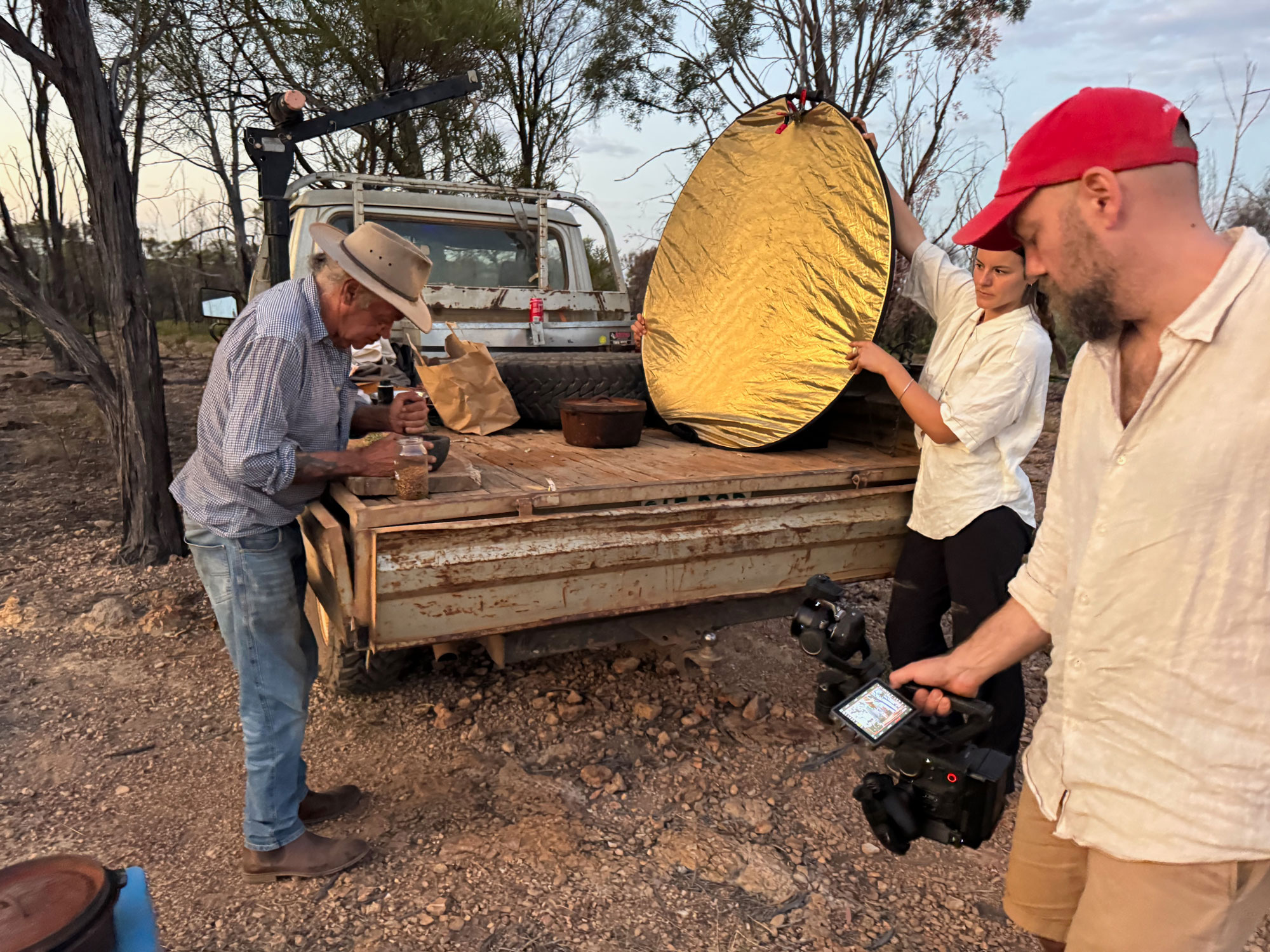
The story highlights how Indigenous communities and researchers can work together to study native foods, protect biodiversity and build shared benefit when the right safeguards and relationships are in place.
Interested in working together?
Send us a message below or to hello@cultivatecomms.com
