
American Heart Association
Video
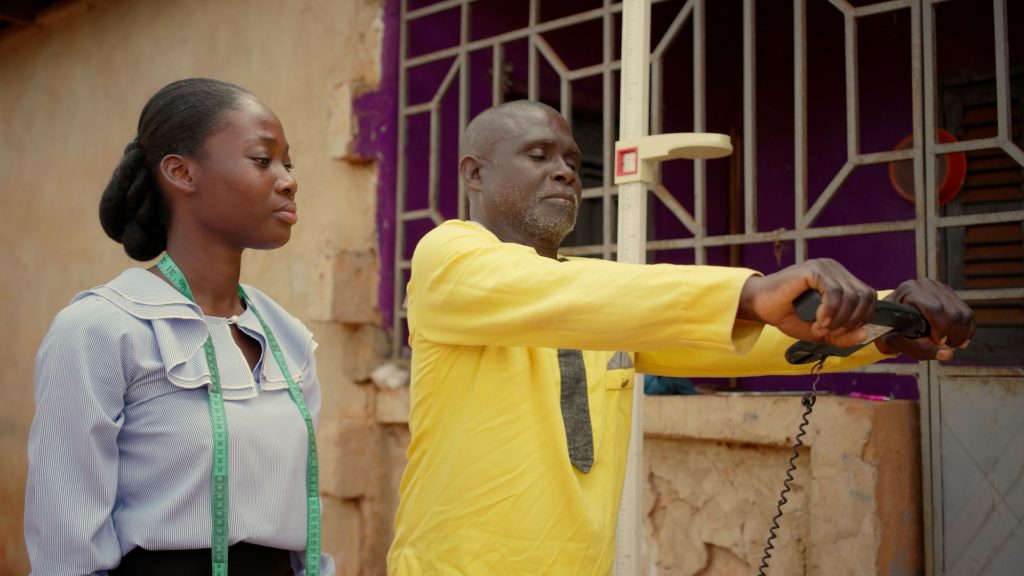
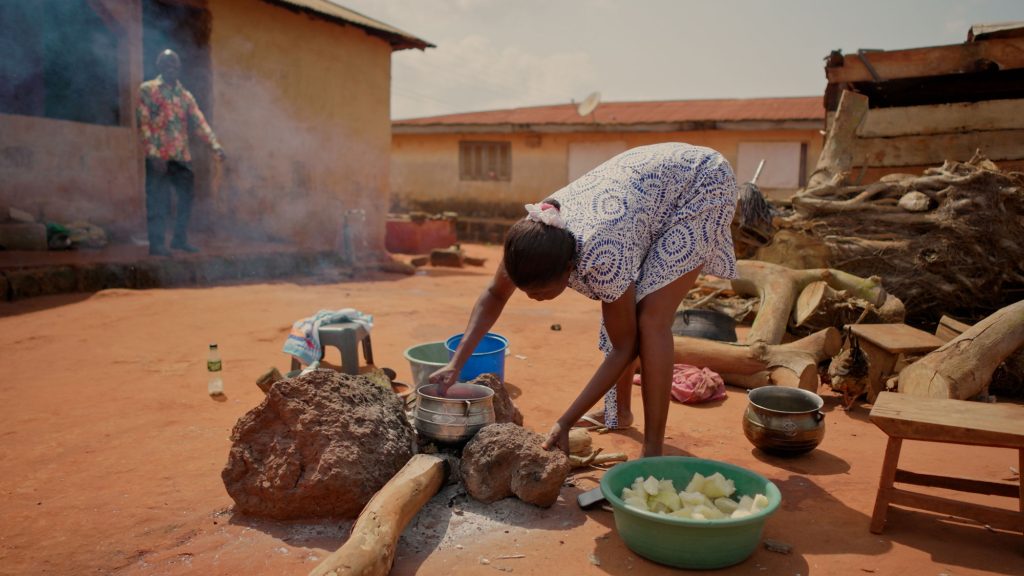
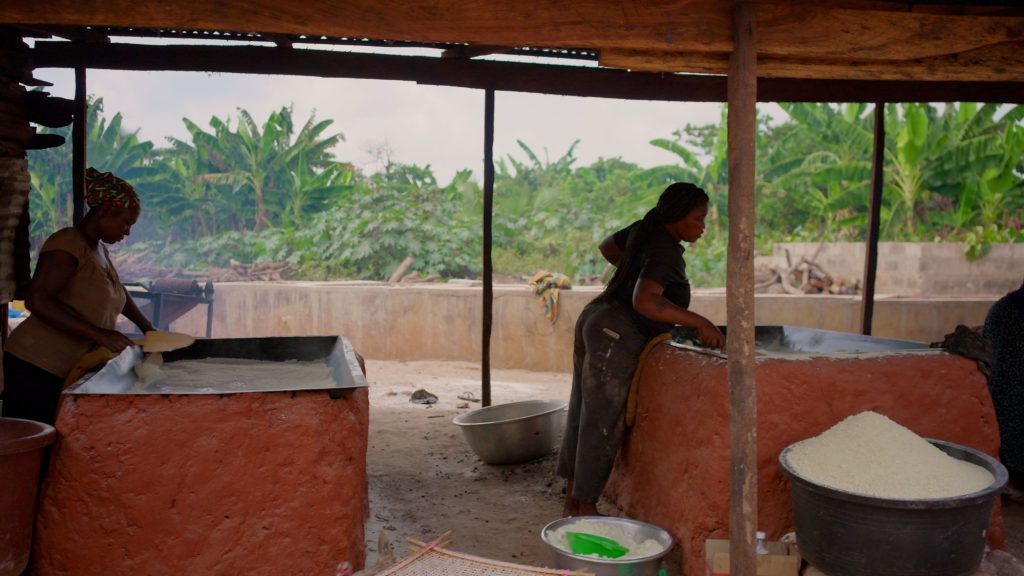
For Food EDU’s Food Quality and Planetary Health course, we travelled to Ghana to explore what food quality means when nutrition, sustainability, culture and production are considered together.
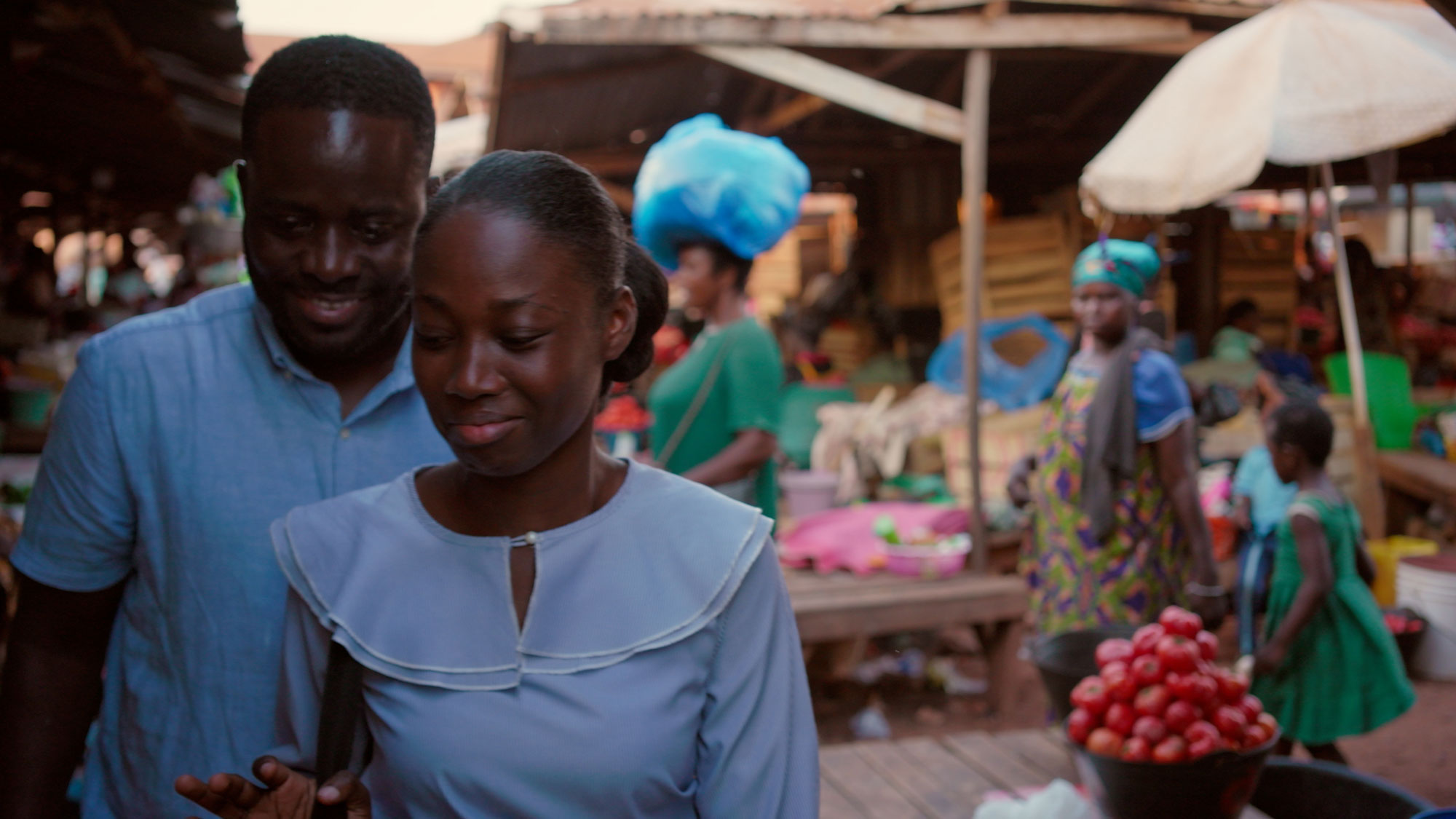
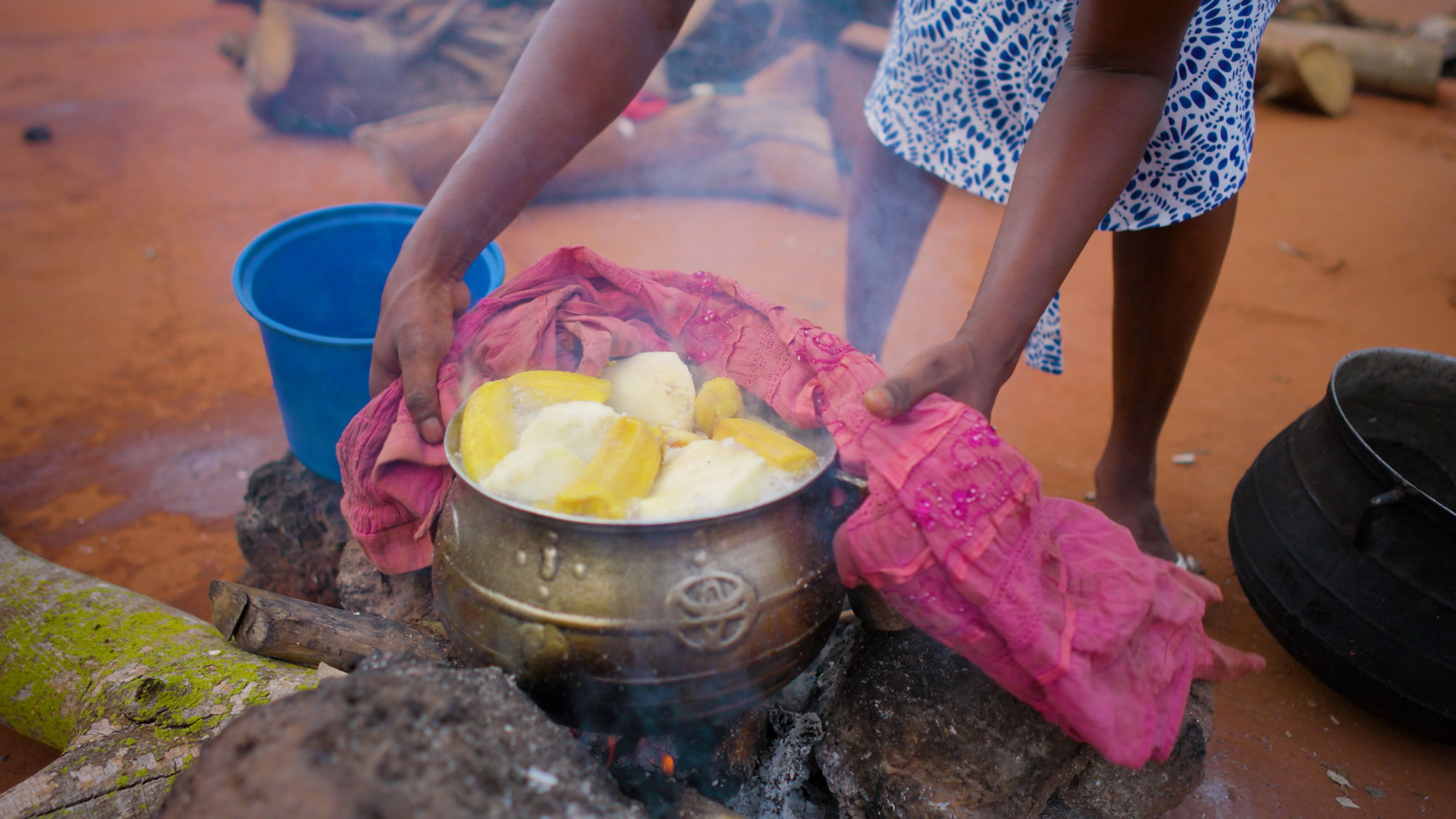
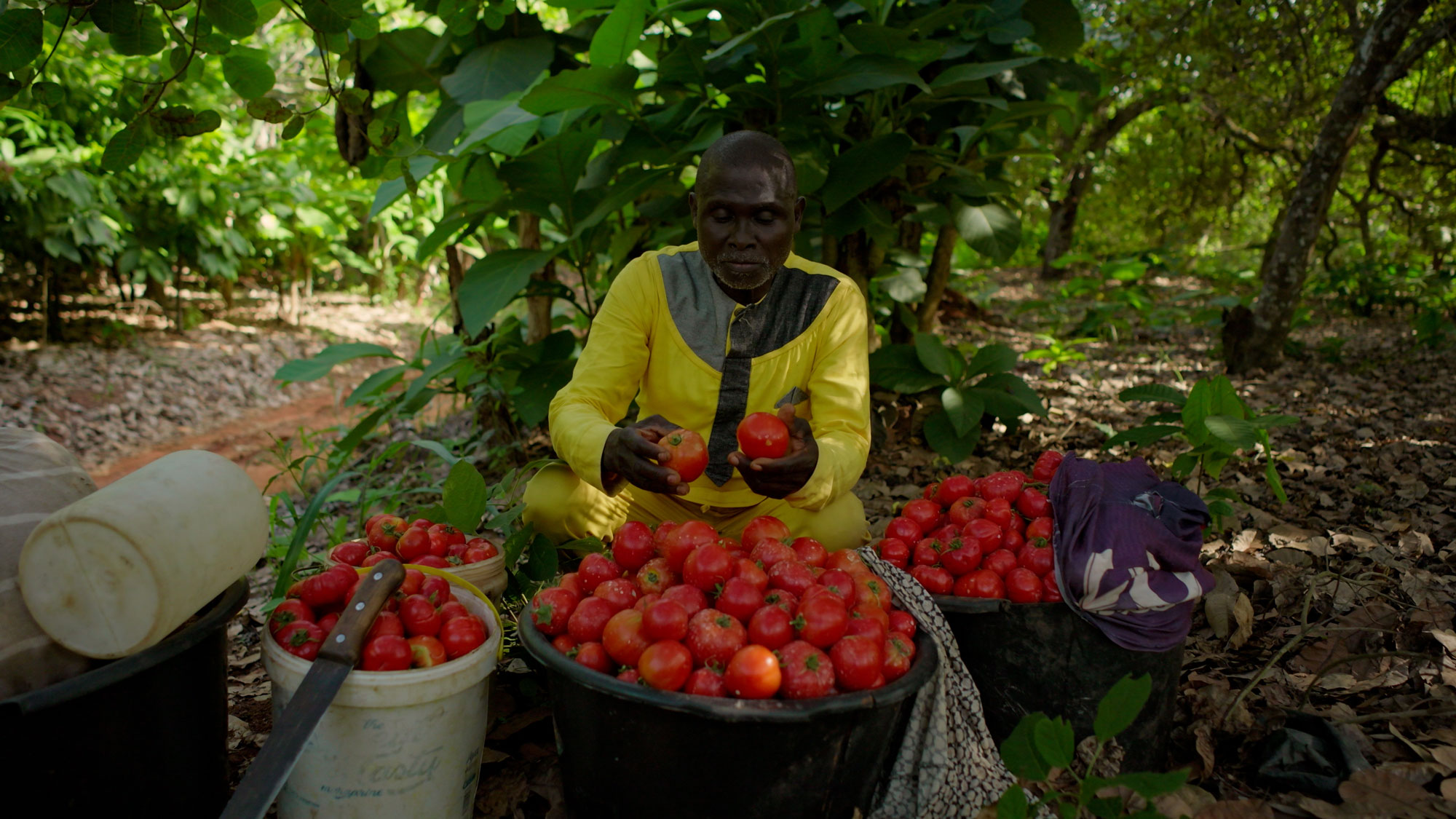
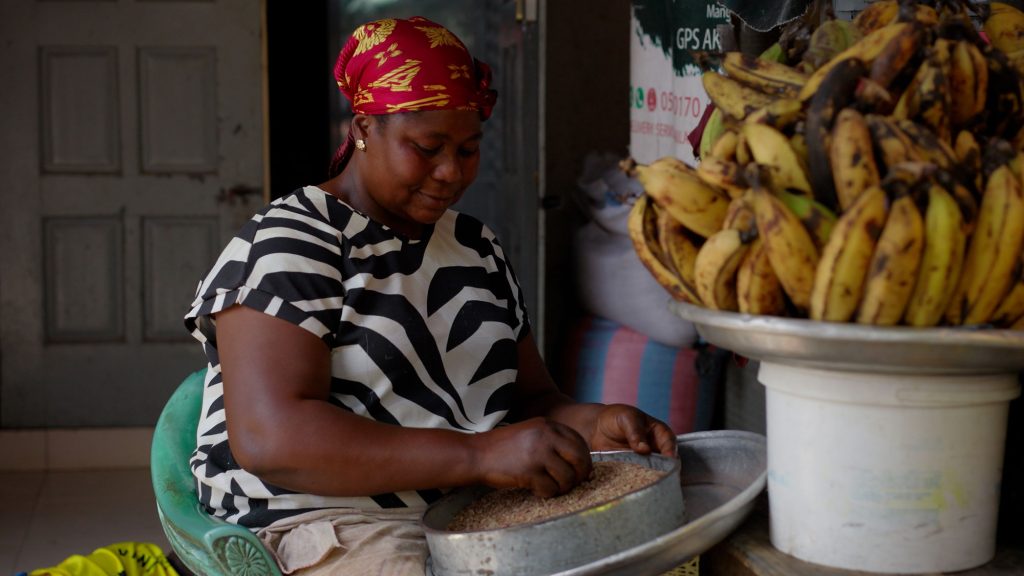
The film examines a food system in transition. In urban areas, cheaper and more accessible processed foods are increasingly replacing traditional diets, while farmers are dealing with changing soil conditions and the loss of crops once common in local food systems. Through examples including cassava, tomatoes, amaranth and fireweed, the documentary shows how food quality is shaped by far more than nutrient content alone.
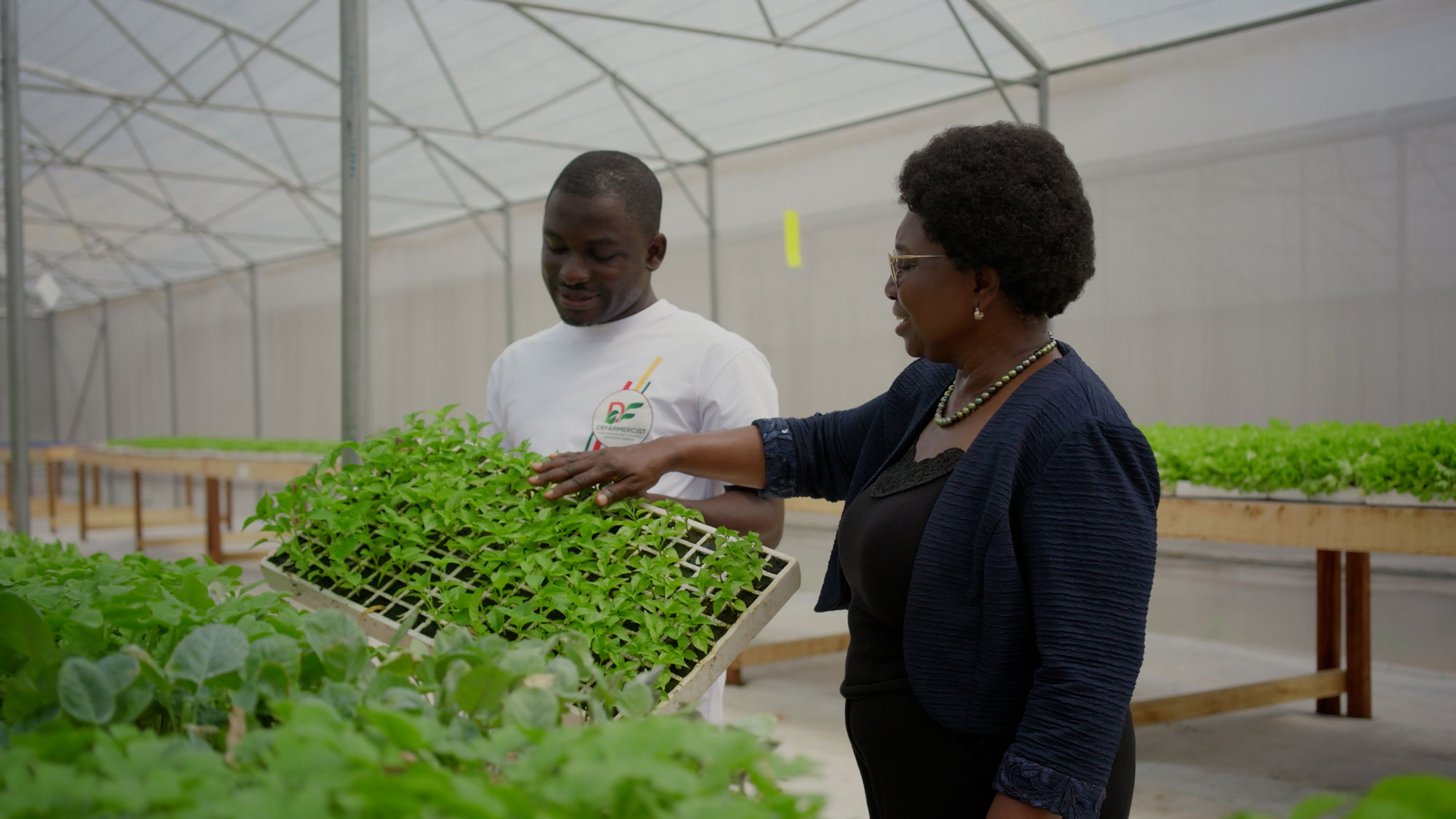
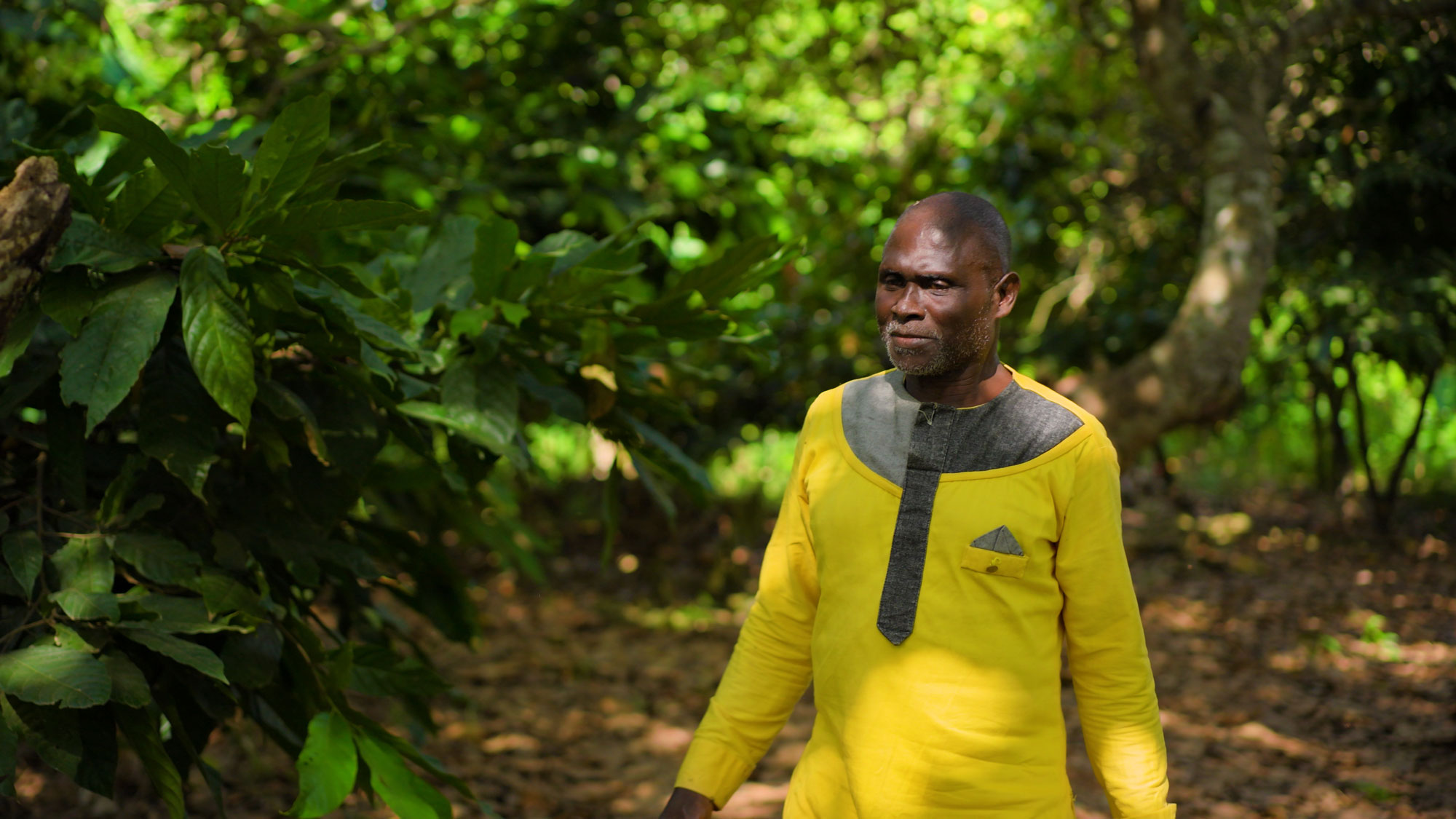
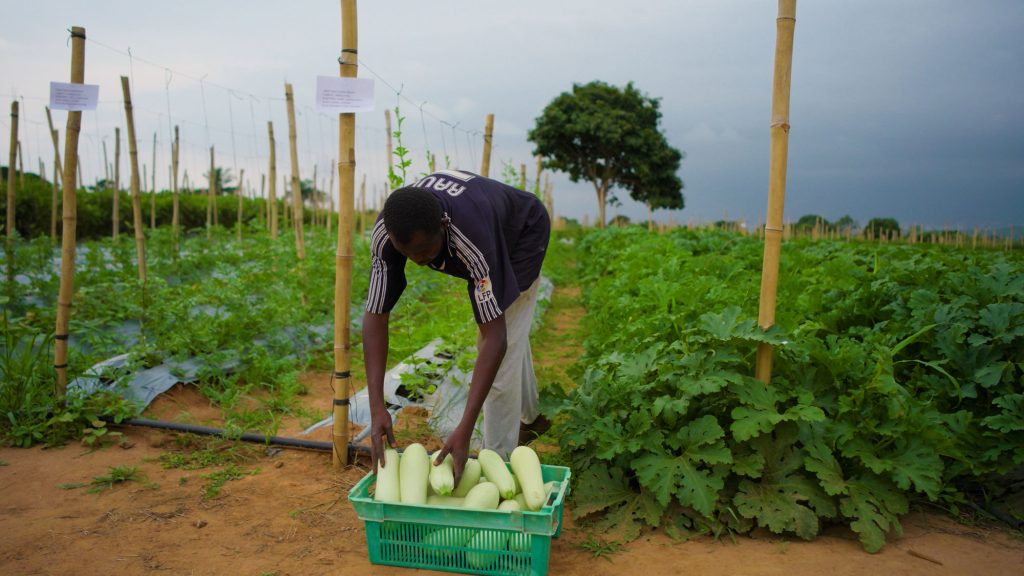
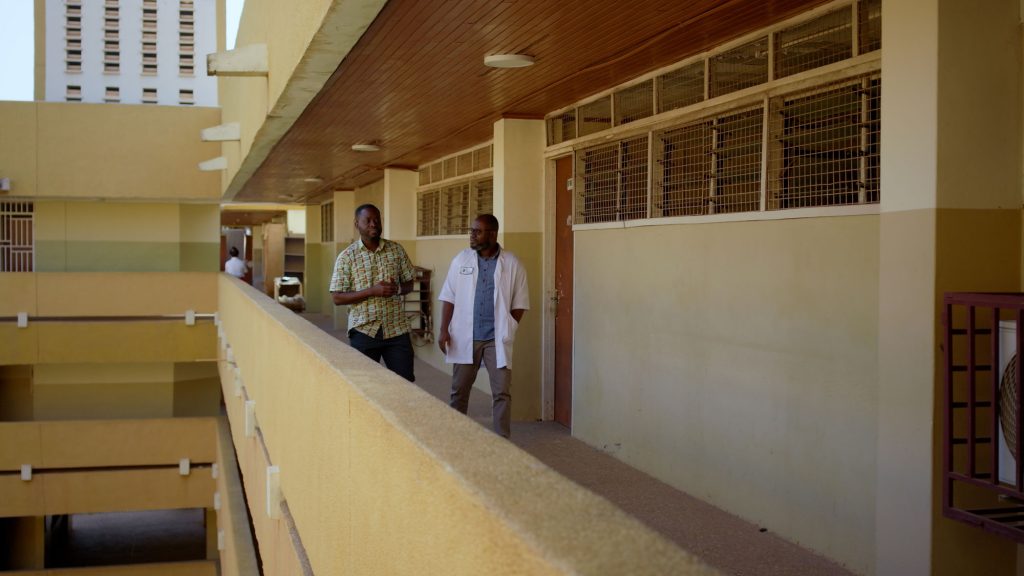
We built the story around farmers, nutrition researchers and food systems experts, connecting what happens in the field with what researchers can measure. The film explores how factors such as crop variety, maturity, growing location and production methods can influence food composition, while also considering taste, cultural relevance, safety and sustainability.
Cultivate led production end to end, from narrative development and interview planning through to filming on location, editing and post-production. The final documentary links Ghana’s shift away from traditional, nutrient-rich foods with rising rates of diet-related disease, while showing how better food composition data and stronger recognition of traditional foods can support healthier, more resilient diets.
The film forms part of Food EDU’s open-access Food Quality and Planetary Health course, helping nutrition and health professionals consider food quality through a wider systems lens and understand how research can inform decisions about how food is grown, processed and consumed.

Interested in working together?
Send us a message below or to hello@cultivatecomms.com
