News
•27/10/2026

Few food policies have been studied as closely as Brazil’s. The country has run public school feeding for seventy years, and its National School Feeding Program now reaches around 40 million students a day – close to every child enrolled in public basic education – serving roughly 50 million meals daily.
Scale is only part of why the program is held as a global benchmark. Law requires that at least 30 per cent of the federal money spent on school meals go directly to food bought from family farmers. In 2024 that share was worth about R$1.6 billion and reached some 40,000 smallholder producers. The same rules steer menus toward fresh, locally grown, minimally processed food, planned school-by-school with the help of around 8,000 nutritionists.
The result is a system that does several jobs. It feeds children. It creates a stable market for small farms. It keeps money circulating in local economies and ties nutrition, agriculture, education and social protection together in a single policy. Through the World Food Programme’s Centre of Excellence against Hunger in Brasília, Brazil now shares the model with governments across Africa, Asia and Latin America.
Taking the model off the page
Policy on this scale is easy to describe but can be hard to feel. Procurement rules, nutrition standards and budget lines do not, on their own, show what the programme changes in a child’s day or a farmer’s year.
This is where documentaries pull the weight that a written case study cannot. A report can list the parts of a system and how they connect, but film lets an audience see and feel the connection between the people, the places, the policy and the daily decisions. For work as interdependent as food systems, that shift from ‘told’ to ‘shown’ is often what makes a complex idea land.
That was the task we set ourselves when we travelled to Brazil to film the programme for Food EDU’s Foodomics & Society course. We wanted to show the model and the benefits it brings to planetary health through the voices and stories of the people living it.
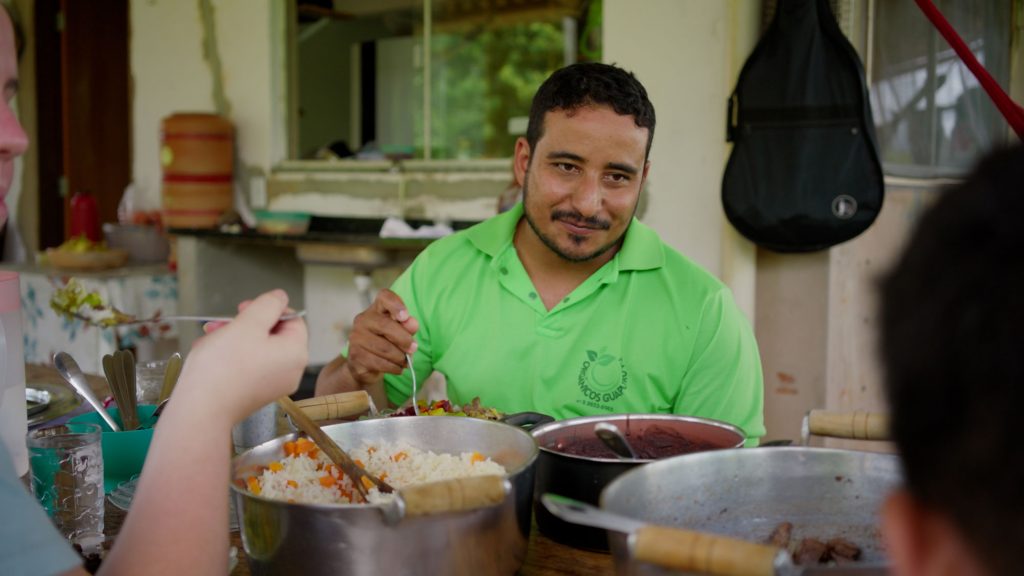
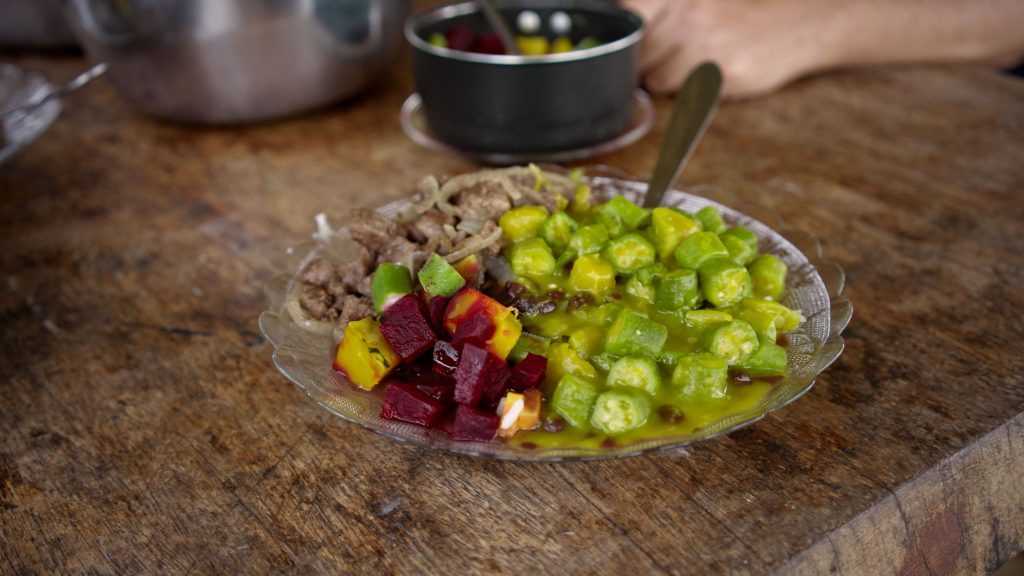
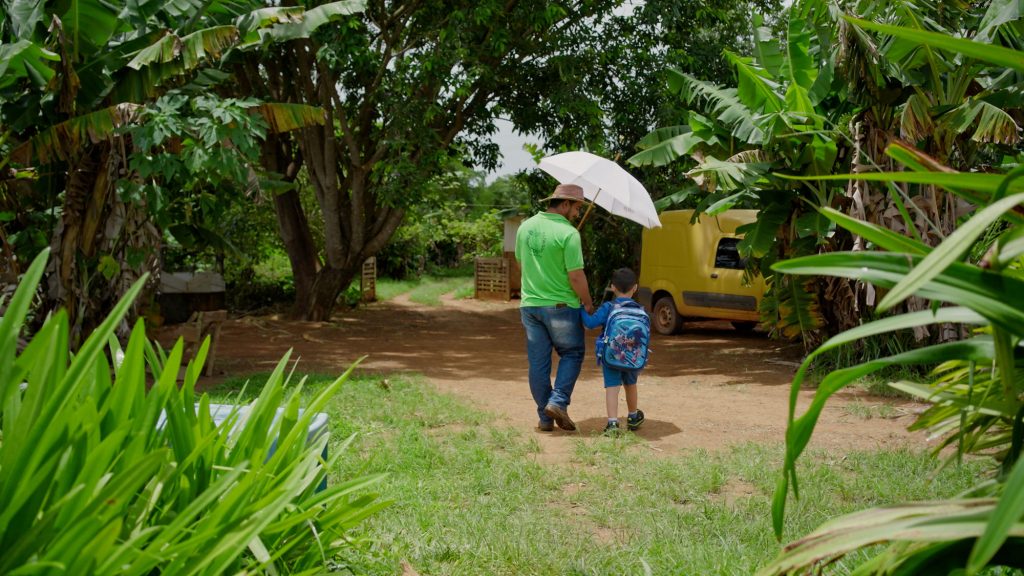
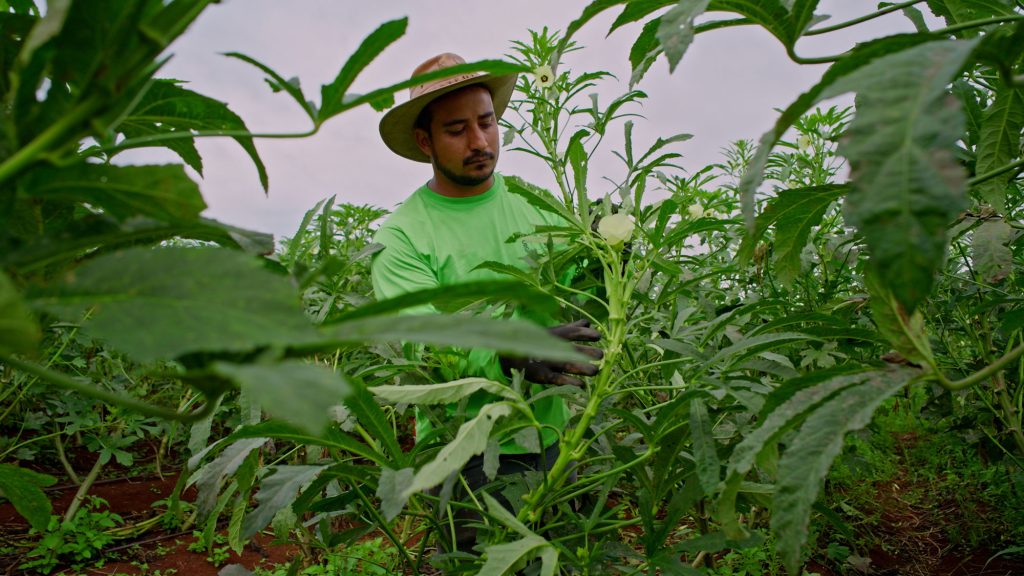
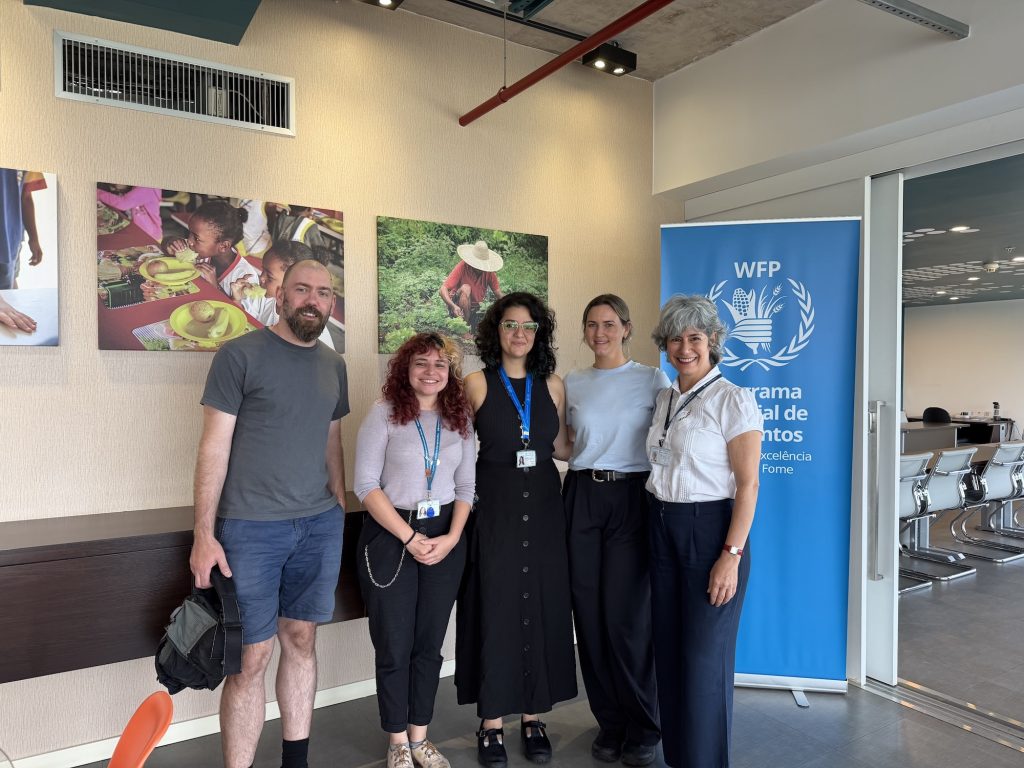
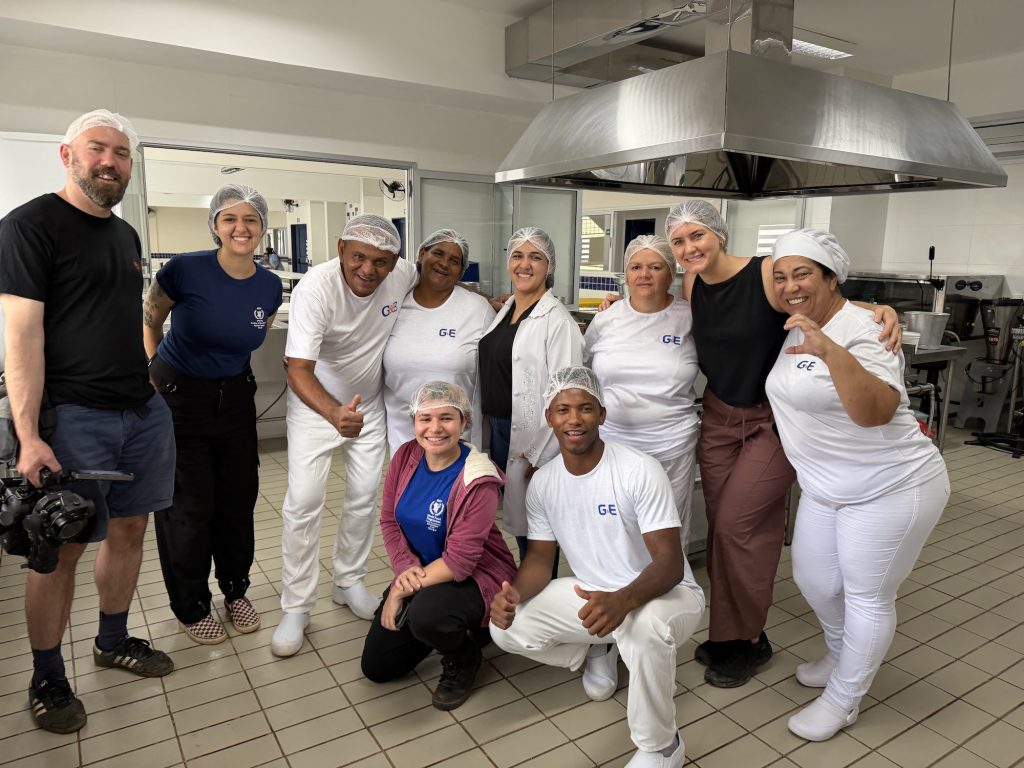
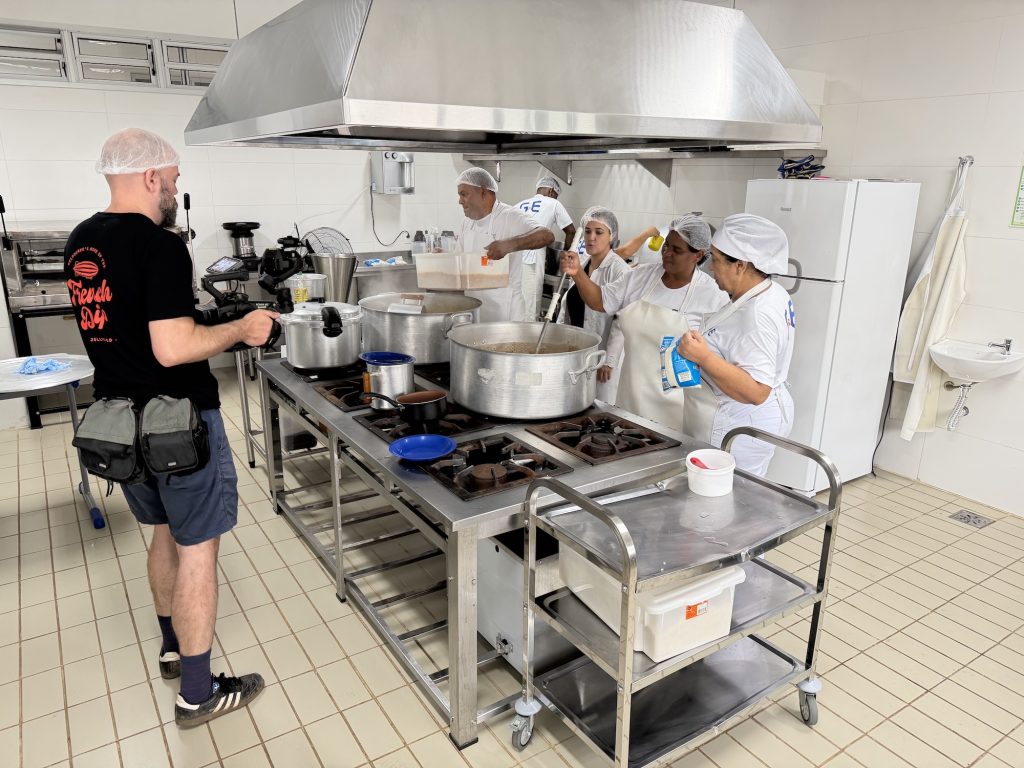
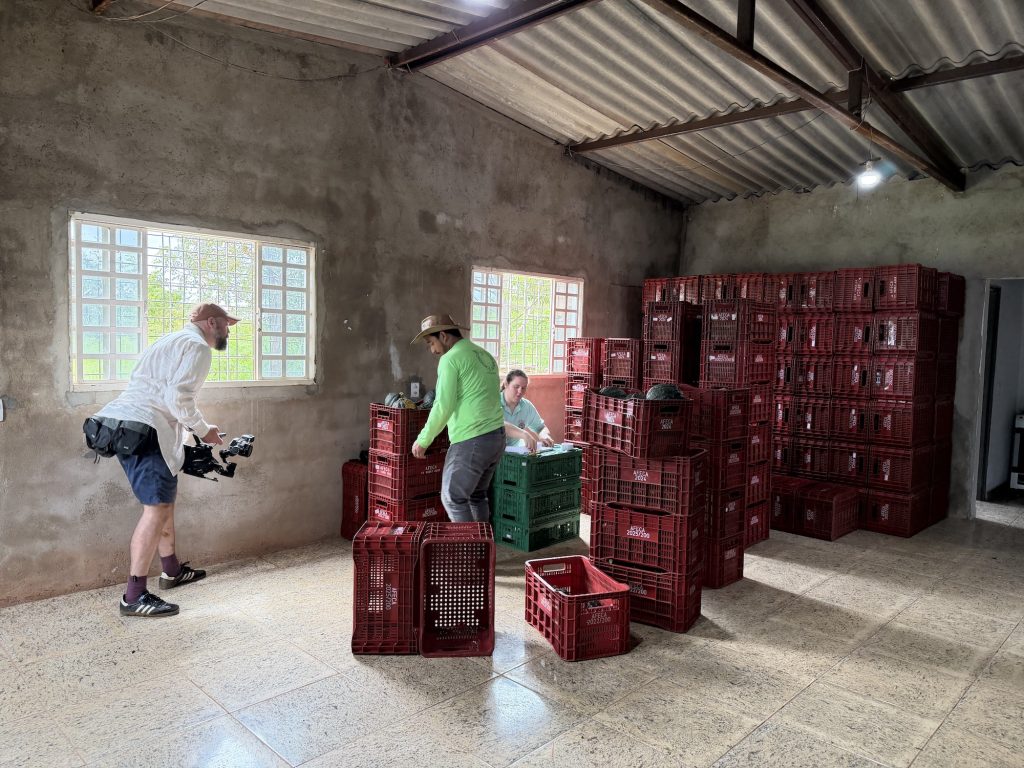
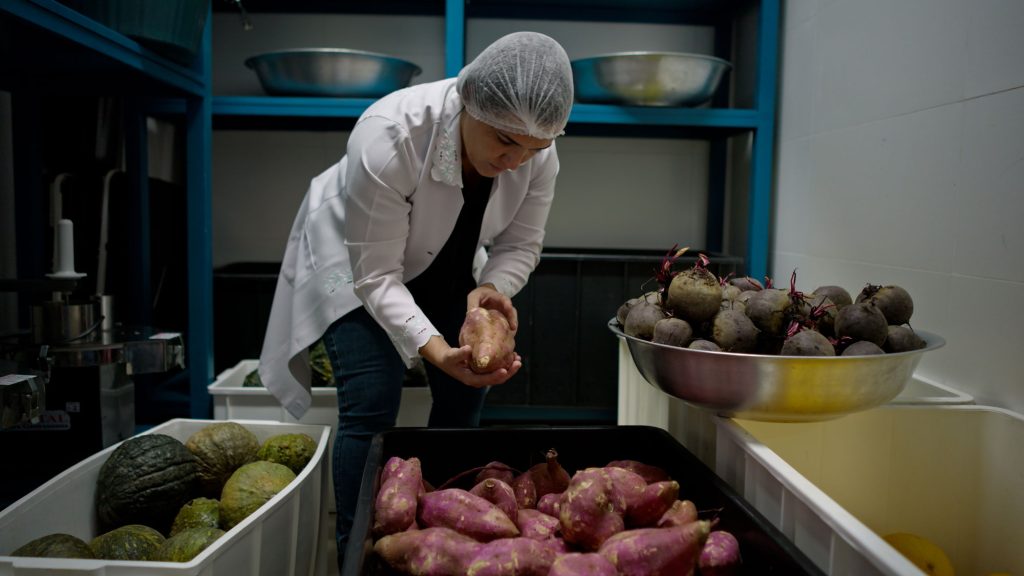
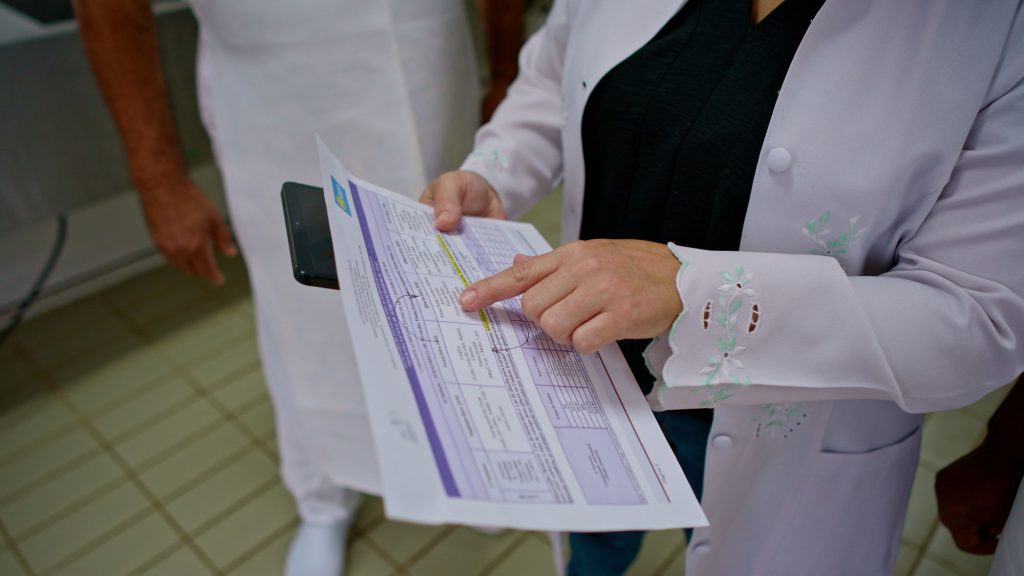
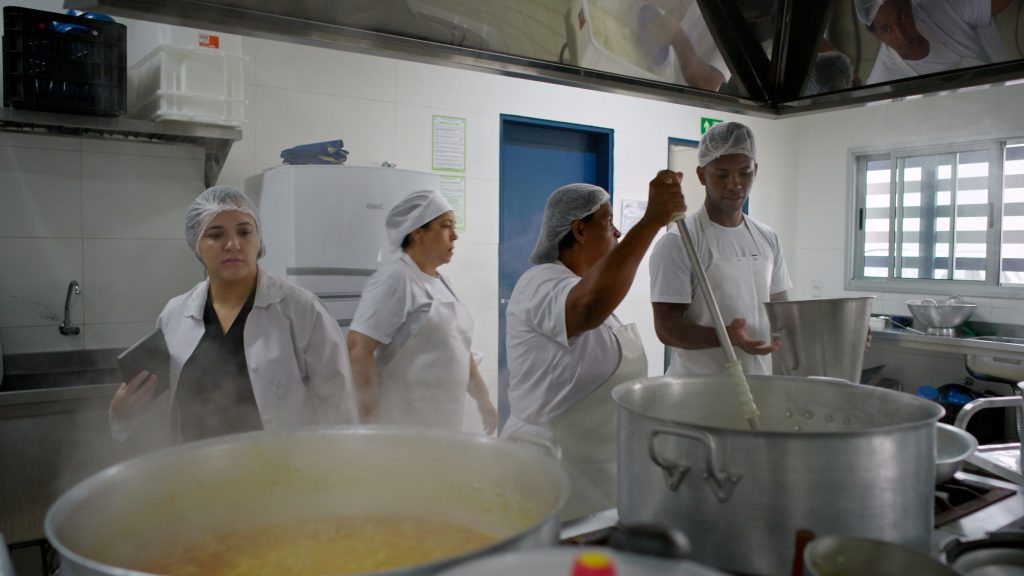
Our team shaped the narrative to compliment the Food EDU curriculum and coordinated with the World Food Programme to plan and run the shoot. Over four days we filmed across two public schools, a family farm, a farmer’s association that serves as a produce distribution centre and the World Food Programme’s Centre of Excellence against Hunger — working carefully inside school kitchens and classrooms, around children, cooks and the ordinary rhythm of the day.
The people at the heart of the story
Three lives anchor the film. Michele Ornellas and Francisco Jorge are family farmers who gained access to land through Brazil’s agrarian reform programme and now grow organic vegetables — sweet potato, pumpkin, okra, chives — for local schools. Jacqueline de Souza, a nutritionist with the Federal District Department of Education plans meals at the meeting point of nutrition, seasonality and food education. Daniel Balaban, Director of the WFP Centre of Excellence against Hunger, sets Brazil’s approach in its global context.
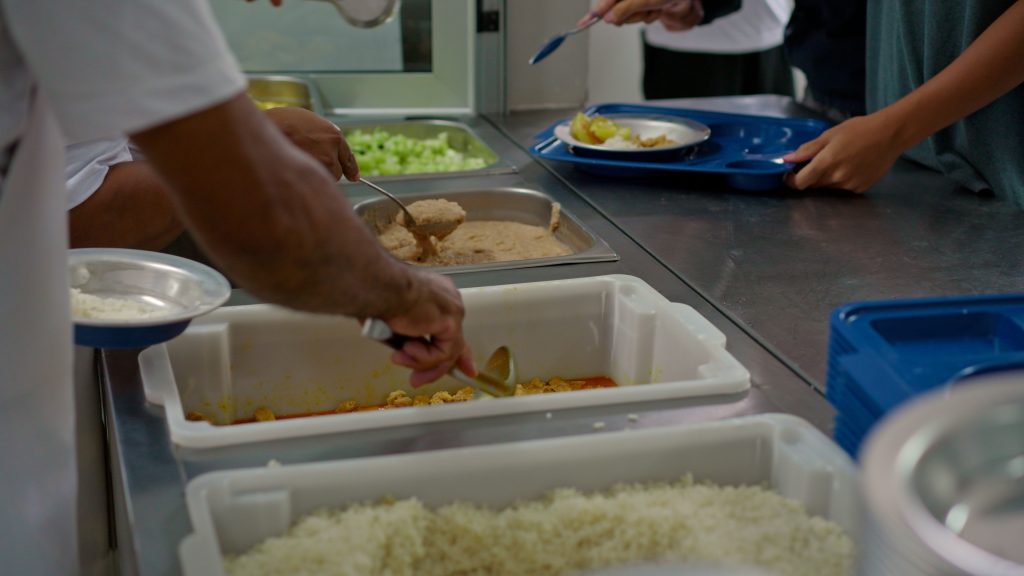
Rather than just explain the policy, the film follows the food — from the soil of a family farm, through the farmer’s association that serves as a produce distribution centre, to the school kitchen and the lunch tray. Harvest, preparation and the school day are filmed as they happen, so the links between healthy soil, fair prices, children’s health and the wider environment are something you watch rather than something you are told.
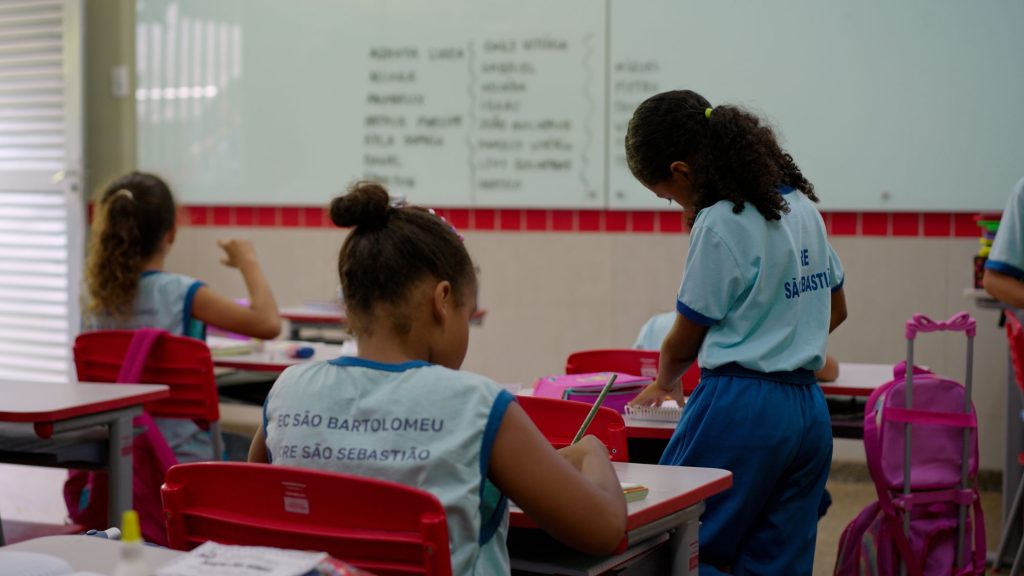
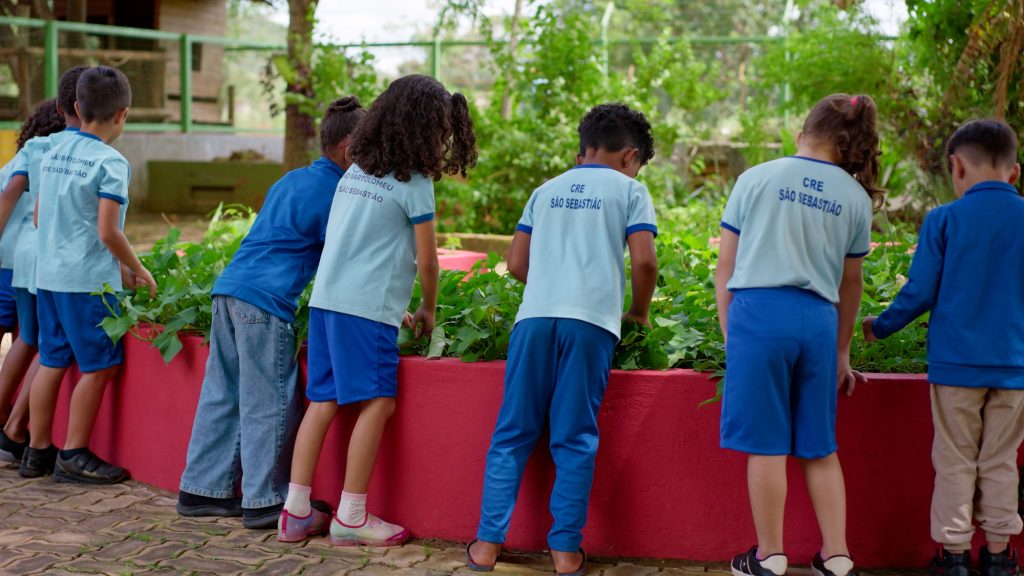
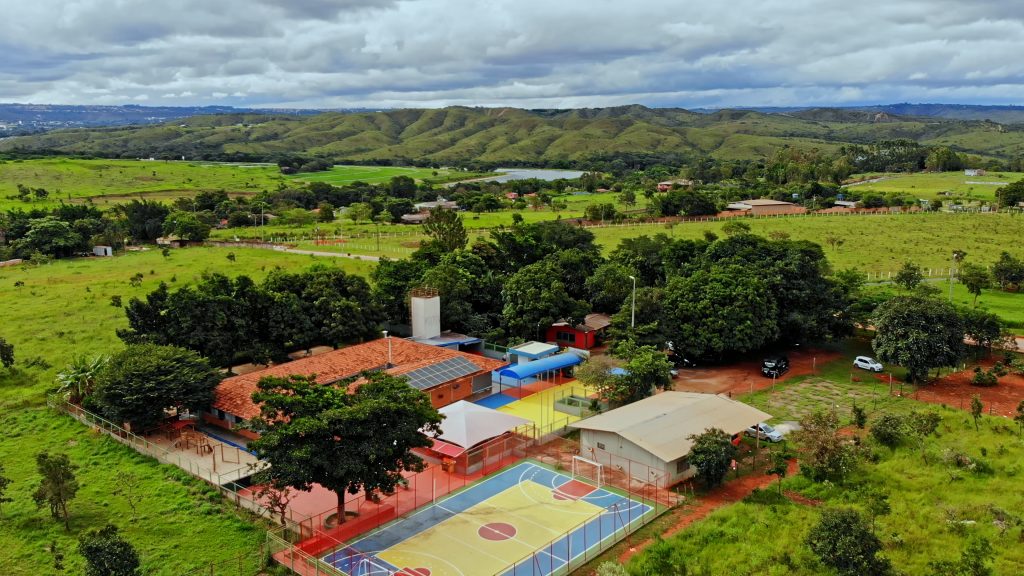
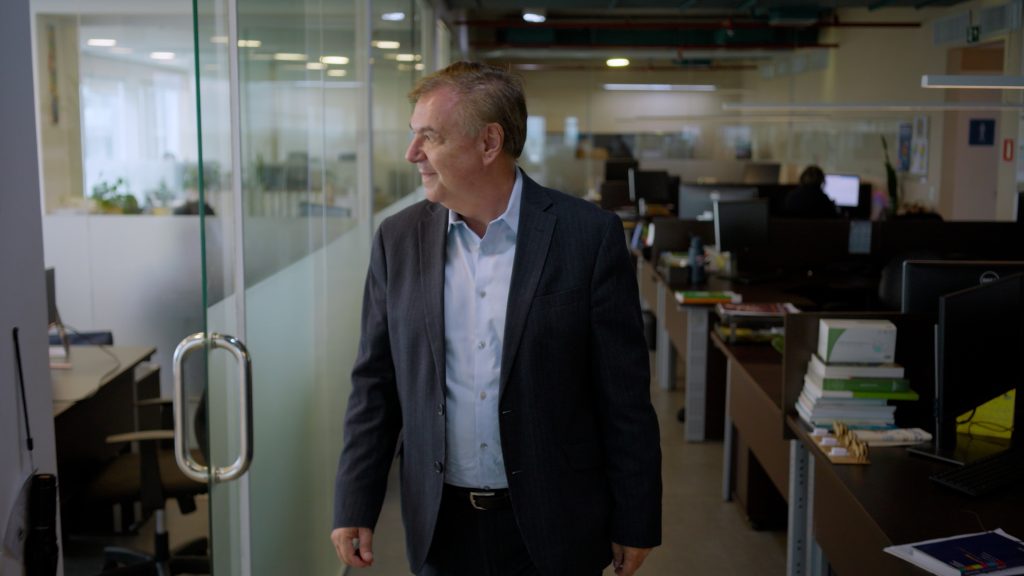
The documentary features on Food EDU’s course platform, where it helps learners see how one of the world’s most recognised food policies works in practice.
For me, the shoot was rewarding at every step. To watch kids enjoy a fresh, nutritious meal at school. To meet the cooks who welcomed us into their kitchen and fed us like family. To see first hand how one farming family has used the program to invest in their land and grow their farm.
Over 14 years I’ve produced video in the field across a dozen countries, working with rural and remote communities, scientists and researchers, Ministers and decision-makers. The thread throughout is the same — telling science stories carefully, through a human lens. As with any production, many people came together to make this possible.
Our gratitude goes to the communication team at the World Food Programme in Brazil for their support throughout production and on the ground during filming, the team at the Periodic Table of Food Initiative and Food EDU for trusting the Cultivate Communications team with another case study documentary, and all the incredible people who welcomed us into their homes and workplaces.