
Intelligence Brief
•15/07/2026
Cultivate Intelligence Brief · Issue 02 · July 2026
Last month we pointed to the Our Ocean Conference in Mombasa as one of four moments to watch. It delivered: 320 commitments, US$6.4 billion, and African governments setting the pace of global ocean diplomacy. Since then, the questions from journalists have changed. Nobody is asking what was promised. They are asking what will actually be done, and the next six months are full of dates where that question gets asked in public.
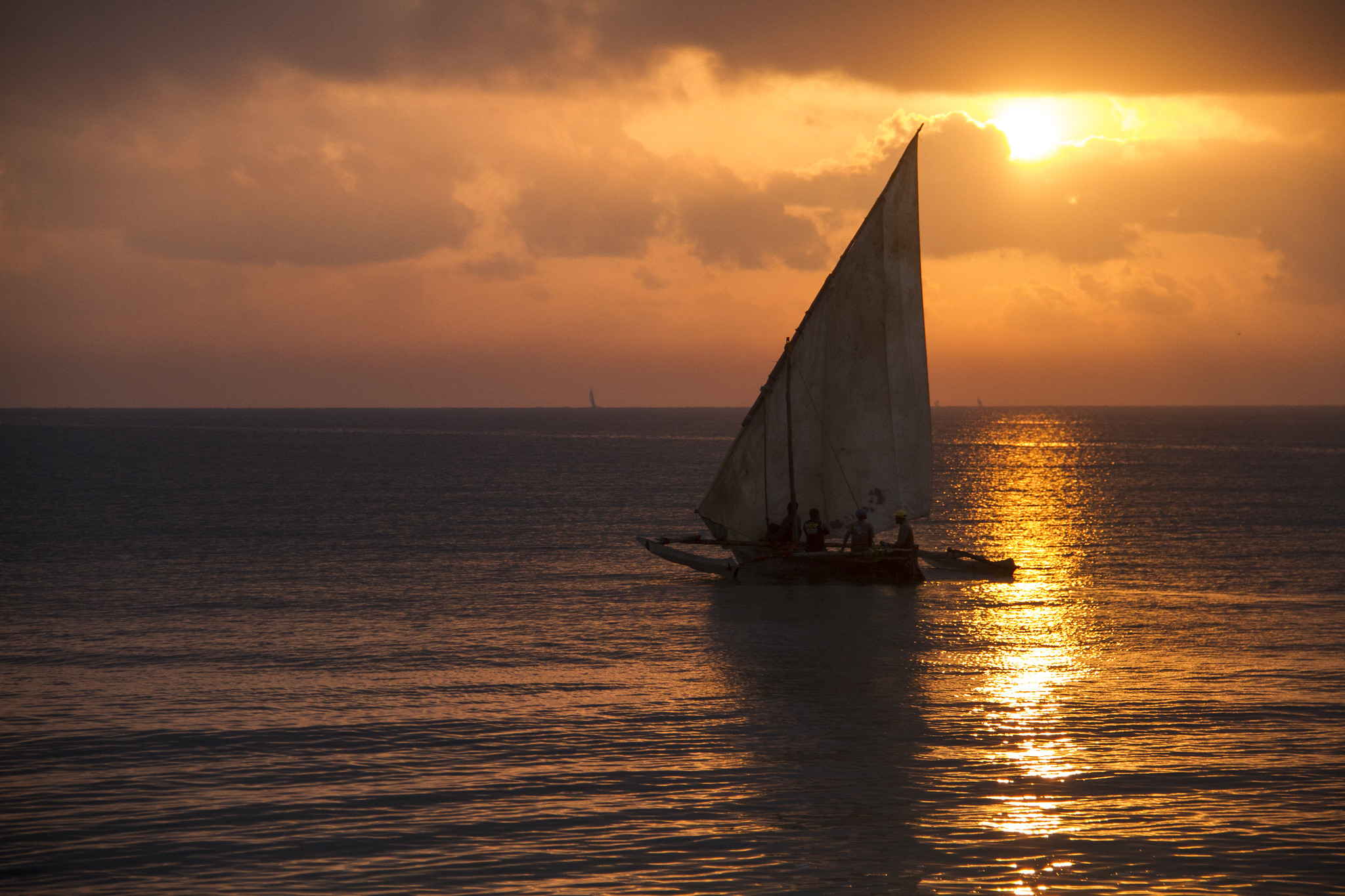
Busy water ways early in the morning in Bagamoyo, Tanzania. Photo: Samuel Stacey/WorldFish.
In June, the ocean sector banked the kind of wins other sectors spend decades chasing. The first Our Ocean Conference held on African soil closed in Mombasa with 320 commitments worth US$6.4 billion from more than one hundred governments, businesses and civil society organisations. Sixteen governments, half of them African, adopted the Mombasa Declaration on fisheries transparency to fight illegal and unreported fishing. Kenya alone made around forty commitments backed by roughly a billion dollars, including US$200 million to put electronic monitoring on every industrial fishing vessel in its waters.
The High Seas Treaty entered force in January, and countries keep joining it. The UK ratified last week, and the sector noticed: the post marking the moment drew more engagement than anything else in the ocean conversation on LinkedIn this month. African governments, for their part, used Mombasa to launch a bid for one of the first protected areas on the high seas.
None of this is small. But the mood around it has shifted. Oceanographic Magazine's headline on the UK ratification articulated it: now the hard part. President William Ruto closed the event by telling delegates that the measure of the conference would not be what was pledged on the shore, but what is delivered in the waters.
The audit has already started
Something has changed in how this sector gets covered, and it is worth pausing on. Mongabay wrapped Mombasa under the headline $6.4 billion in pledges, review of past promises. Inter Press Service asked whether Africa and the world will make the ocean promises real. Carbon Brief noted that pledge totals have been falling since the Panama conference in 2023. John Kerry, who founded the conference, used the opening ceremony to push delegates to move from commitments to implementation. And Climate Home reported campaigners pressing for coastal communities to see the benefits of the ocean boom, not just watch the money move.
Journalists are following up on this sector's promises now. That is uncomfortable if your organisation has pledges it cannot evidence, and very useful if it can. Buried in the conference reporting was an independent assessment finding that more than a third of the world's marine protected areas began as Our Ocean commitments, and that close to two thirds of those commitments have been fully implemented. A delivery record that strong should have been everywhere. It went almost nowhere, because nobody put communications effort behind it.
What surprised us most this month
The story that taught us the most this month was not really an ocean story.
In early June the Trump administration moved to dismantle the Ocean Observatories Initiative, the monitoring network scientists said the world would be flying blind without. The Guardian, the New York Times and CNN all ran it, and kept running it. The EU expanded its own ocean monitoring in response and later attached €50 million to the effort. US lawmakers fought the cuts. On 18 June, the administration backed down.
A technical story about scientific infrastructure held mainstream attention for a fortnight and turned a government decision around in under three weeks. If you have ever had to argue the value of visibility with a sceptical leadership team, bookmark this one. It is the strongest recent evidence that public attention protects an organisation's funding and its mandate.
Where the institutional case is being made
The machinery behind the Mombasa commitments is assembling quickly. The High-Level Climate-Resilient Coral Reefs Commitment added Kenya, the UK and others, and has set itself a public target: 31 signatories covering most of the world's coral by the COP31 climate summit in November. Bloomberg Philanthropies committed US$260 million to coral and ocean conservation. The EU and Germany launched a €60.5 million programme for the Western Indian Ocean. On LinkedIn, one of the month's most engaged conservation posts celebrated French Polynesia placing thirty percent of its waters under full protection, 1.4 million square kilometres closed to extractive industry.
Research voices were in the room too. FAO and WorldFish launched a regional project for sustainable fisheries management in the Red Sea. And WorldFish Director General Dr Essam Yassin Mohammed used the road to Mombasa to argue that the ocean does not need admiration, it needs action, and that Africa's ocean story is told too often in the language of crisis when the continent has ocean leadership worth learning from. Readers of our food issue will recognise that argument. Behind all of it sits the UN's own warning that the rate of sea level rise has doubled in a decade.
The runway from Our Ocean Conference to January
The next six months come with the dates already in the diary.
The seabed contest is live now. The International Seabed Authority is meeting in Kingston through July to negotiate the rules that would govern deep-sea mining, with mining firms suing to halt an inquiry and the IUCN warning that most hydrothermal vent molluscs are now threatened. However that resolves, it will shape what protection means in practice. The Convention on Biological Diversity meets for COP17 in October. COP31 in November is the deadline the coral commitment set for itself. And the High Seas Treaty's first Conference of the Parties has to happen before 17 January 2027. That meeting decides the treaty's institutions and its host city, and takes the first proposals for marine protected areas on the high seas, with candidate sites running from the Sargasso Sea to the Lord Howe Rise and South Tasman Sea, the latter on Australia's doorstep.
Each of those dates will bring the same question from journalists, funders and boards: what has actually been delivered?
What we'd be doing now
Three things.
Get ahead of the audit: Publish your delivery evidence before anyone asks for it. Named projects, money moving, protection enforced, told with the specificity a journalist can check. If your organisation made a Mombasa commitment or benefits from one, a six-month delivery update is the most valuable piece of content you can plan right now.
Use the reversal to make the internal case: The ocean monitoring fight gave every communicator a ready-made argument for visibility. Mainstream pressure reversed a government decision in under three weeks. Next time the communications budget is questioned, point to it.
Start the COP1 work now: The treaty's first Conference of the Parties is at most six months away, and the framing of what success looks like is being written well before the venue is announced. Organisations that help shape that framing early will be the ones quoted when it happens. For Australian and Pacific organisations, the Lord Howe Rise proposal is a global story on your doorstep.
We're watching the same shift in the other sectors we monitor: health, water, food, environment, international development. Promises are being audited everywhere, and organisations with delivery evidence in hand are in a far better position than those without. Food readers will remember last month's four-week window. Three of its four moments have now delivered.
About the Cultivate Intelligence Brief
A monthly strategic review and forecast of one sector: what shifted in the past month, what is coming in the next, and the communication opportunities around it. Each issue reads three layers of the media landscape: mainstream reach, sector prominence and LinkedIn community conversation. It begins with a guided, AI-powered analysis of thousands of global news stories and social media posts. We extract the narratives and sector developments that matter, then identify the opportunities to shift the conversation. This issue took on oceans. Future issues will focus on other sectors as they move.
If a brief like this on your own thematic focus, configured to your organisation, geographies and stakeholder landscape, would be useful, that is what Cultivate Intelligence can do.
About the authors
The Cultivate Intelligence Brief is written by Samuel Stacey and Holly Holmes, co-founders of Cultivate Communications®. Samuel and Holly are communications specialists working with mission-driven organisations across food systems, climate, environment, health and international development. Through Cultivate, they help research organisations, NGOs and purpose-led institutions turn complex ideas into clear strategy, stronger positioning and communications that reach the audiences that matter.
